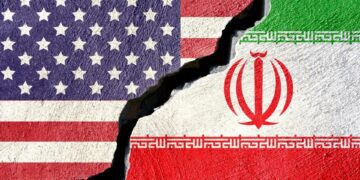





































































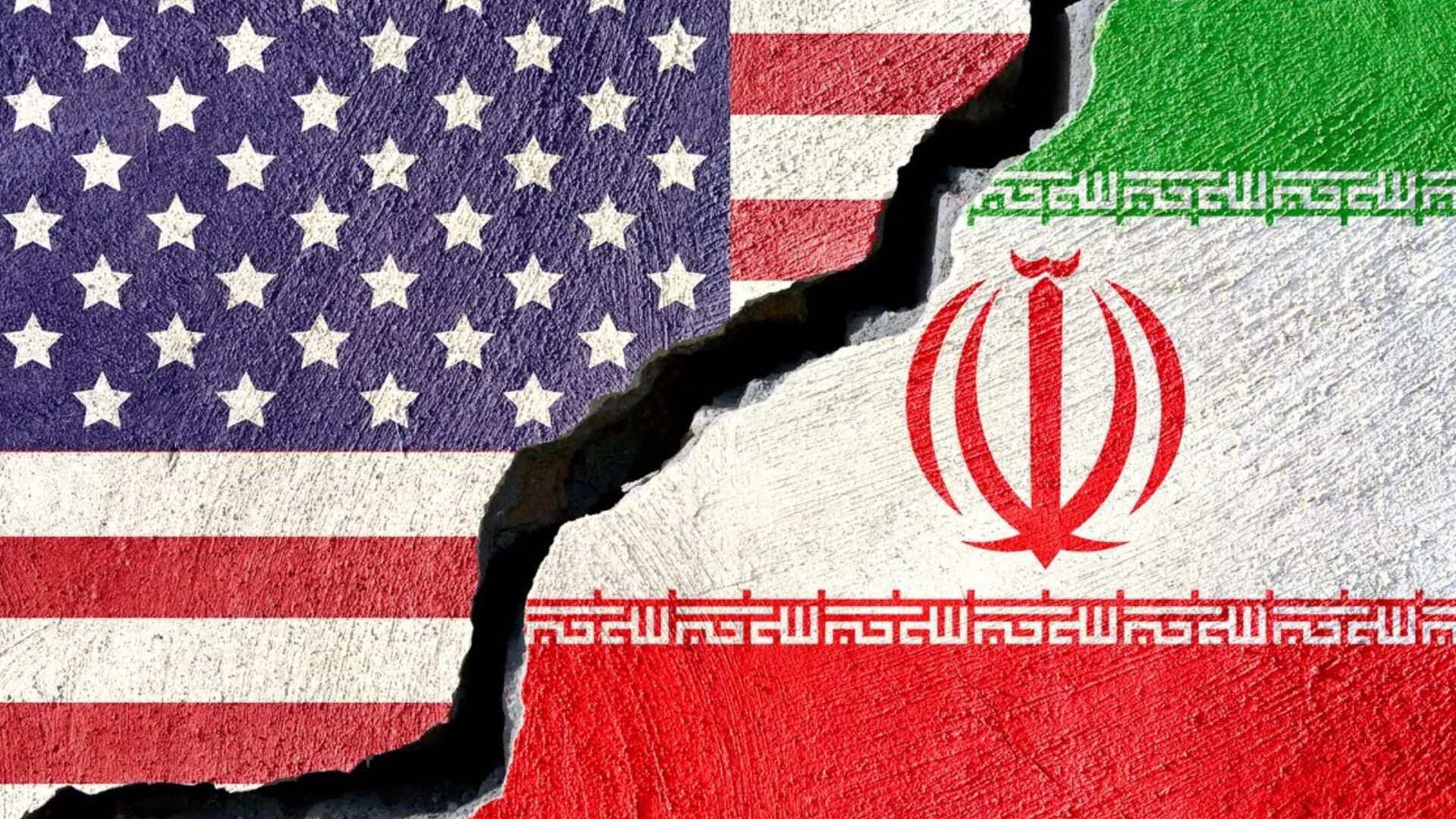
The United States and Iran may return to the negotiating table this week, raising cautious hopes for diplomacy even as tensions remain high following Washington’s decision to impose a naval blockade on Iranian ports.
Sources familiar with the discussions say delegations from both countries could reconvene in Islamabad within days, in what would be a second round of high-stakes talks aimed at ending their six-week conflict.
The potential resumption follows the collapse of marathon negotiations over the weekend, which ended without agreement and prompted the U.S. to escalate pressure through a maritime blockade.
The talks, led on the American side by Vice President JD Vance and on the Iranian side by Mohammad Baqer Qalibaf, marked the highest-level engagement between the two countries in more than a decade.
Key sticking points included Iran’s nuclear programme, sanctions relief and control over the Strait of Hormuz, a critical artery for global energy supplies.
Following the breakdown, U.S. President Donald Trump ordered a blockade targeting Iranian ports, a move designed to pressure Tehran economically and militarily.
The blockade has already disrupted shipping patterns and contributed to volatility in global markets, though oil prices eased slightly on renewed hopes of dialogue.
Iran has condemned the move, warning of consequences and accusing Washington of undermining trust at a critical moment in negotiations.
Despite the escalation, a two-week ceasefire announced earlier remains in place, though its future is uncertain.
Diplomatic sources say mediators, including Pakistan, are working behind the scenes to bring both sides back to the table before the truce expires.
While neither Washington nor Tehran has officially confirmed a new round of talks, signals from both sides suggest diplomacy is not yet off the table.
Analysts say the coming days will be crucial. A return to negotiations could stabilize markets and reduce the risk of wider conflict, while failure to engage may deepen the crisis and prolong disruptions to global energy flows.
For now, the situation remains finely balanced between escalation and negotiation, with the outcome likely to shape not just regional stability but the broader global economic outlook.