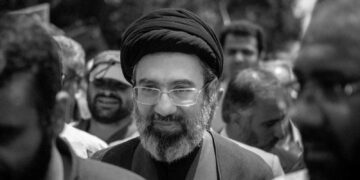



















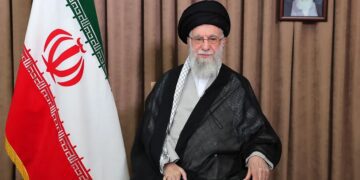










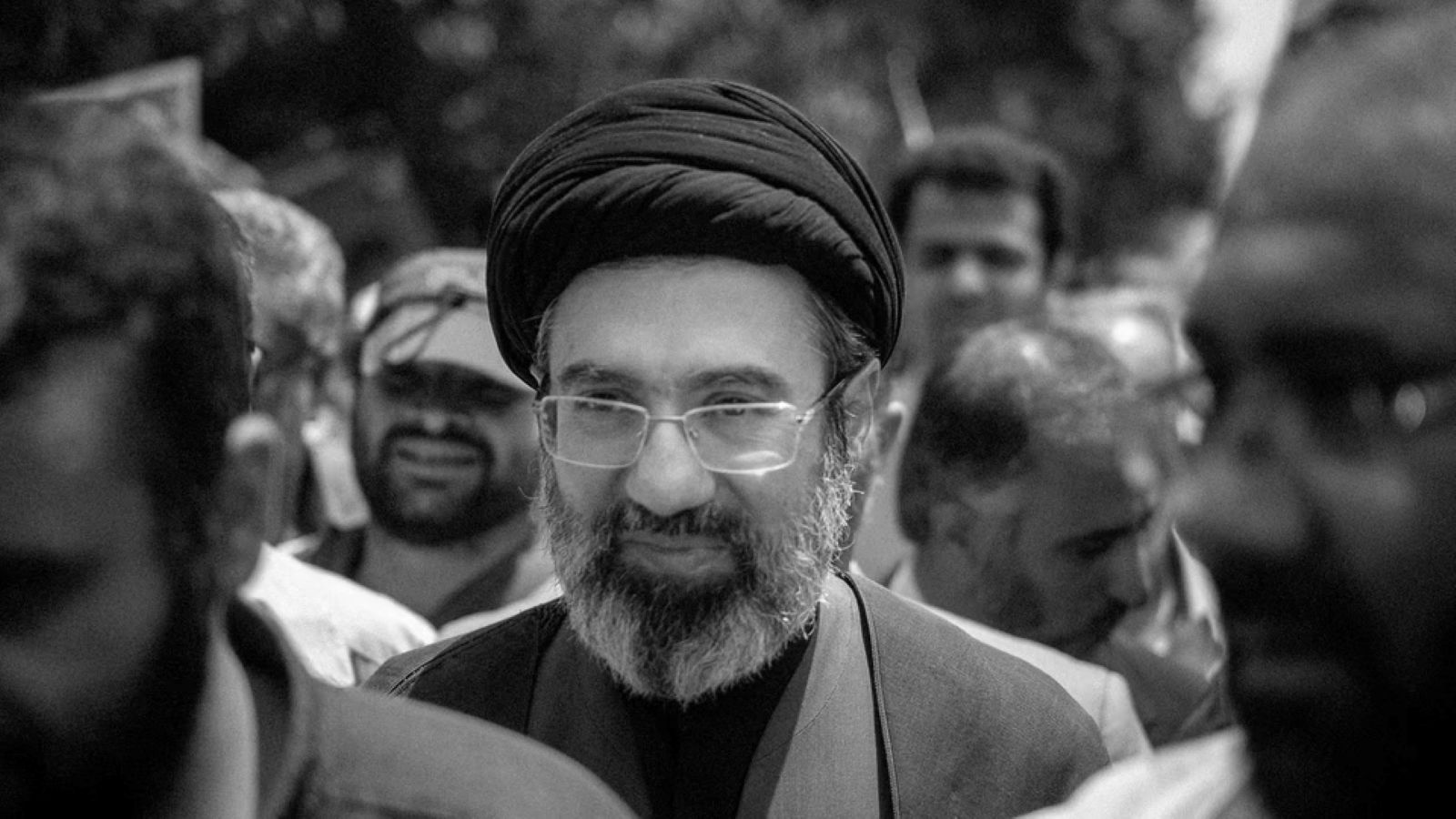
Iran’s newly appointed supreme leader, Mojtaba Khamenei, is said to be recovering from serious and disfiguring injuries sustained in an airstrike that killed his father, according to multiple sources close to his inner circle.
The reported injuries, which include significant facial wounds and damage to one or both legs, were said to have been sustained during an airstrike on the supreme leader’s compound in Tehran at the onset of the conflict. While the extent of the injuries has not been officially confirmed, sources say the 56-year-old leader remains mentally alert and is continuing to carry out state duties remotely.
Despite his condition, Khamenei is reportedly participating in high-level meetings via audio conferencing and remains involved in key decisions, including ongoing negotiations with the United States and wartime strategy.
Khamenei assumed leadership following the death of his father, Ali Khamenei, who was killed in the same strike earlier in the conflict. His appointment came at a time of heightened tension, with Iran facing one of its most serious crises in decades.
However, his prolonged absence from public view has raised questions about his health and ability to effectively govern. No official images, videos or audio recordings of the new leader have been released since the attack and his subsequent appointment.
Iran’s mission to the United Nations has not responded to inquiries regarding his condition or absence, further fueling speculation.
While there has been no formal confirmation from Iranian authorities, a state television presenter previously referred to Khamenei as a “janbaz,” a term used for individuals seriously wounded in conflict.
Comments by Pete Hegseth in March, suggesting that Khamenei had been wounded and possibly disfigured, align with the accounts provided by sources familiar with the situation. Some intelligence assessments have even indicated the possibility of limb loss, though this remains unverified.
Experts say the lack of transparency has created an information vacuum, with speculation and rumours spreading widely, particularly on social media.
Analysts note that beyond health concerns, Khamenei faces the challenge of consolidating authority in a system where the supreme leader traditionally holds ultimate power. Believing that the new leader is unlikely to wield the same level of influence as his father in the short term.
As Mojtaba maybe be one voice, but not the decisive one, suggesting that other power centres, particularly the Islamic Revolutionary Guard Corps, are likely to play a dominant role during this period.
The Islamic Revolutionary Guard Corps is believed to have played a key role in shaping strategic decisions during the ongoing conflict and may continue to exert significant influence.
The developments come as a temporary ceasefire has been announced and negotiations between Iran and the United States begin in Islamabad, raising hopes for a possible de-escalation.
However, the uncertainty surrounding Khamenei’s health and visibility adds another layer of complexity to the already fragile diplomatic process.
Sources close to his circle suggest that images or a public appearance may be possible in the coming months, depending on both his recovery and the security situation.
Until then, Iran’s leadership remains largely out of public view, at a time when the country faces critical decisions about war, diplomacy and its future direction.