










































































Oil prices dipped on Friday and were set for a weekly decline as traders weighed progress in indirect talks between the United States and Iran over Tehran’s nuclear programme and rising U.S. crude inventories, adding to signs of a loosening supply risk premium in markets.
Brent crude futures edged lower to around $70-$71 per barrel, while U.S. West Texas Intermediate (WTI) hovered near $65-$66 per barrel late Friday. Despite modest intraday gains, both benchmarks were on track to close the week with declines of roughly 1%-2%, reversing some of the previous week’s gains.
Analysts said oil traders were taking a cautious “wait-and-see” stance ahead of continued nuclear negotiations and a scheduled meeting of the OPEC+ group, where a possible production increase is under discussion.
U.S. crude inventories rose sharply last week, recording their largest weekly increase in three years, data from the U.S. Energy Information Administration showed. The buildup, coupled with signs of weakness in the physical oil market, eroded some upward price momentum.
A senior commodities analyst noted that traders were balancing geopolitical risks with data showing an ample supply picture in the United States, where storage levels have climbed significantly.
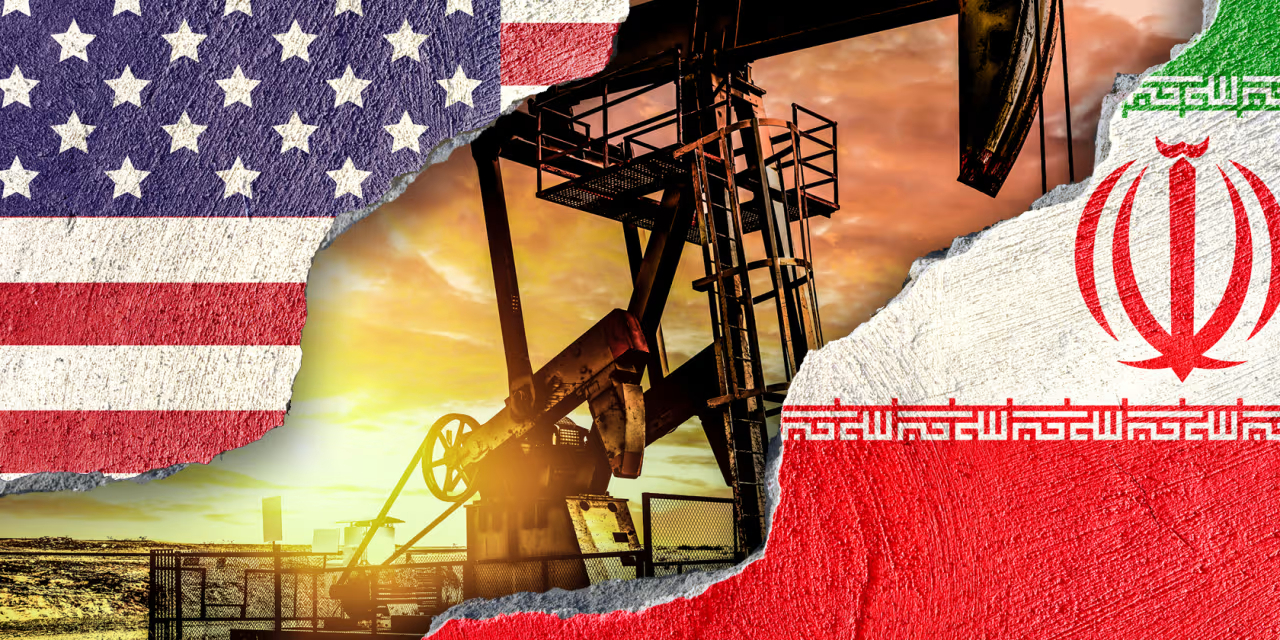
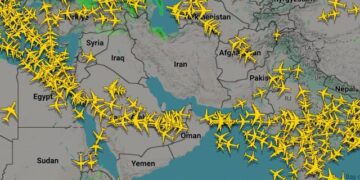
Oil markets have been sensitive to developments in U.S.–Iran relations because potential conflict in the Middle East can raise fears of supply disruptions, particularly via the strategic Strait of Hormuz. Indirect negotiations in Geneva last week aimed to avert a military confrontation after a U.S. military buildup in the region. Progress reported by mediators helped ease some supply risk expectations, even as talks are set to continue with further technical discussions expected in Vienna next week.
While extension of talks has reduced the immediate threat of conflict, uncertainty remains about whether a diplomatic breakthrough will be achieved. Analysts say oil prices could swing in either direction depending on whether negotiations ease tensions or break down and potentially escalate hostilities.
Looking ahead, traders are watching both geopolitical developments and economic indicators that could influence demand outlooks. The possibility of increased output from OPEC+ has also kept a lid on prices, even as countries in the alliance consider production adjustments to respond to global market conditions.
With prices still elevated compared to early-year lows but showing signs of moderation, the oil market remains finely balanced between geopolitical risk premiums and supply-side data.