











































































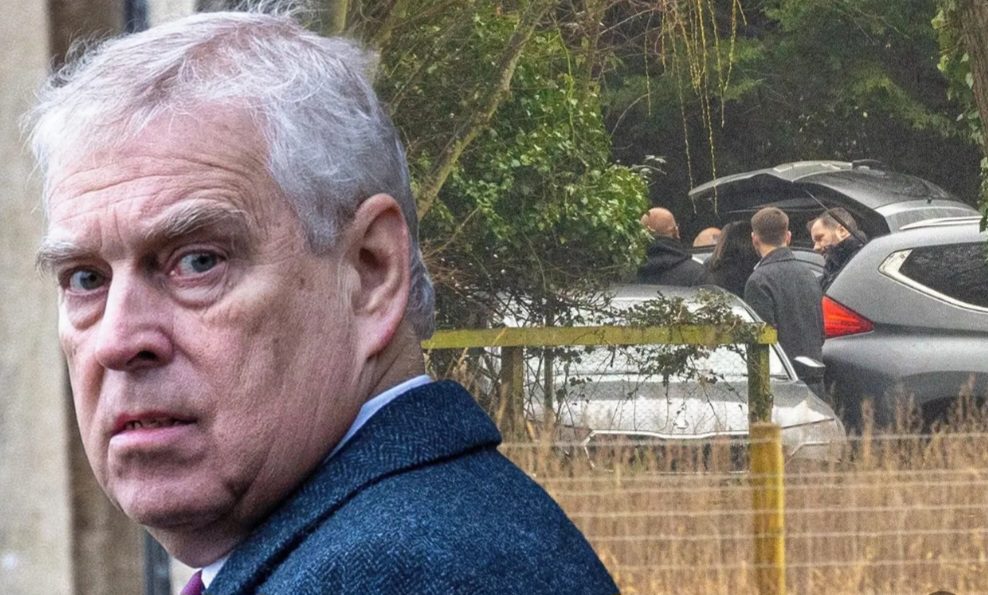
Andrew Mountbatten-Windsor, the Duke of York and younger brother of King Charles III, has been arrested by British authorities over allegations of misconduct in public office, in a dramatic escalation of long-running scrutiny surrounding his ties to the late financier and convicted sex offender Jeffrey Epstein.
Metropolitan Police officials confirmed Tuesday that the 65-year-old royal was taken into custody for questioning following what investigators described as “newly assessed material” linked to prior inquiries. Authorities said the arrest relates to alleged actions during the period in which Andrew carried out official public duties on behalf of the Crown.
While police declined to disclose full details of the allegations, sources familiar with the investigation said the case centres on claims that Andrew may have improperly shared sensitive information with Epstein during their association. The allegations reportedly focus on whether any official or privileged information was disclosed while Andrew was serving in a representational capacity for the United Kingdom.
Andrew’s friendship with Jeffrey Epstein has been the subject of intense public scrutiny for years. Epstein, who was arrested in the United States in 2019 on federal sex trafficking charges, died in jail later that year in what authorities ruled a suicide.
The Duke of York has repeatedly denied any wrongdoing in connection with Epstein’s criminal activities. However, his 2019 BBC “Newsnight” interview defending the relationship triggered widespread criticism and ultimately led to his withdrawal from public duties.
The latest development marks the first time Andrew has faced arrest in the United Kingdom in relation to matters connected to his official conduct.
Investigators are said to be examining whether communications, meetings or other exchanges between Andrew and Epstein during the latter’s lifetime involved material deemed sensitive under public office statutes. Misconduct in public office is a common law offence in the UK that can carry significant custodial penalties if proven.
Buckingham Palace issued a brief statement confirming awareness of the arrest but emphasised that Andrew no longer undertakes official royal duties and does not represent the monarchy.
“The Duke of York stepped back from public duties in 2019 and has not held an official public office role since that time,” the statement read. “This is a matter for the appropriate authorities.”
The UK government declined to comment on the specifics of the case, citing ongoing investigations.
Andrew relinquished his honorary military titles and royal patronages in 2022 amid mounting pressure over civil litigation in the United States brought by Virginia Giuffre, who alleged sexual abuse when she was a minor. The case was settled out of court without an admission of liability.
Legal experts say the threshold for proving misconduct in public office is high. Prosecutors must demonstrate that the accused willfully neglected to perform duties or willfully misconducted themselves to such a degree as to amount to an abuse of public trust.
If charged formally and convicted, penalties could range from fines to imprisonment, depending on the severity of the alleged breach.
The arrest has reignited debate in the UK over accountability and transparency within public institutions, particularly where members of the royal family are concerned. Advocacy groups have called for full disclosure of findings related to Andrew’s interactions with Epstein.
Political figures across party lines urged restraint and respect for due process while emphasising that no individual is above the law.
“This case will test the principle that all public figures, regardless of status, are subject to the same legal standards,” one senior lawmaker said.
Andrew remains in custody pending further questioning. Police indicated that charging decisions will be made in consultation with the Crown Prosecution Service once investigative reviews are complete.
Authorities have not confirmed a timeline for the next steps, but legal analysts expect that any formal charges, if filed, would trigger a high-profile court process likely to attract global attention.
The case represents a significant moment for Britain’s constitutional monarchy, as scrutiny of Andrew’s past associations continues to cast a long shadow over the institution.