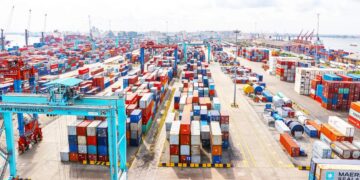










































































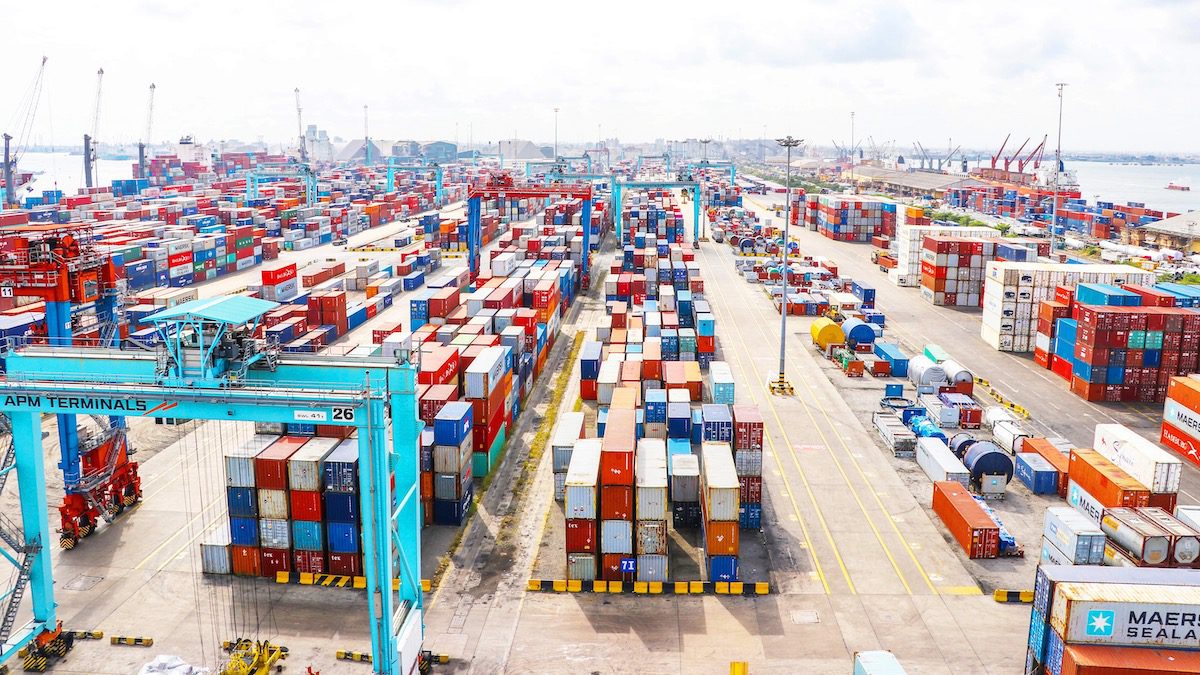
The Nigeria Customs Service (NCS) has launched a nationwide One-Stop-Shop (OSS) platform aimed at simplifying cargo clearance, reducing port bottlenecks and improving coordination among regulatory agencies.
The digital platform was formally introduced in Lagos as part of broader reforms to streamline trade processes and enhance the ease of doing business at Nigeria’s ports and border stations.
The initiative was unveiled during a stakeholder engagement session held at the Lagos Marriott Hotel, Ikeja, drawing regulators, manufacturers, customs agents, freight forwarders and other industry operators. Participants described the reform as a significant step toward addressing longstanding inefficiencies in cargo processing.
Speaking at the event, Deputy Comptroller-General of Customs in charge of Tariff and Trade, Caroline Kemen Niagwan, said the OSS platform was designed to centralize risk management interventions under a unified digital interface.
She noted that discussions around establishing a coordinated intervention system began in 2018 but were delayed by inter-agency coordination challenges.
“Multiple checks and fragmented interventions have impacted business processes for years,” she said. “The One-Stop-Shop now brings all relevant units under one coordinated system to ensure faster and more predictable clearance.”
According to her, the new framework eliminates duplicative checkpoints and consolidates compliance procedures, a move expected to reduce delays and lower the cost of doing business.
Niagwan added that the platform also aligns with international trade obligations that require governments to consult stakeholders before implementing major trade measures.
Representatives of key industry bodies welcomed the initiative, describing it as a long-awaited reform capable of transforming Nigeria’s trade ecosystem.
Speaking on behalf of the Manufacturers Association of Nigeria (MAN), Mr. Segun Osidipe said manufacturers view the OSS platform as critical to reducing production costs and improving cargo turnaround time.
He said the reform would enhance inter-agency coordination and boost Nigeria’s competitiveness in global trade.
Similarly, President of the Association of Nigerian Licensed Customs Agents (ANLCA), Chief Emenike Nwokeji, pledged the support of customs brokers and expressed confidence that the system would significantly improve trade operations.
The National Association of Government Approved Freight Forwarders (NAGAFF) and the Customs Consultative Council (CCC) also endorsed the initiative, stressing the importance of collaboration to achieve seamless trade facilitation nationwide.
During a technical presentation, Superintendent of Customs Francis Edejor, a member of the OSS implementation team, cited examples of countries such as New Zealand and Singapore, which have successfully deployed unified clearance systems to reduce processing delays and strengthen regulatory coordination.
He said Nigeria’s OSS initiative is consistent with global trade facilitation standards championed by the World Trade Organization (WTO), which estimates that efficient border procedures can significantly reduce trade costs, particularly in developing economies.
Delivering the keynote address on behalf of Comptroller-General of Customs Bashir Adewale Adeniyi, Deputy Comptroller-General in charge of Enforcement and Investigation, Timi Bomodi, described the platform as a deliberate shift from fragmented procedures to coordinated governance.
He said the reform reflects the Customs Service’s broader commitment to transparency, efficiency and modernization of trade processes.
With the rollout of the One-Stop-Shop platform, authorities say Nigeria is positioning its ports for improved operational efficiency, reduced cargo dwell time and enhanced investor confidence in the country’s trade and logistics environment.