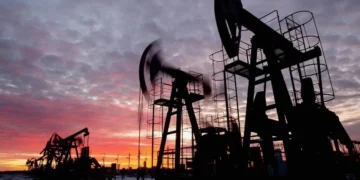






































































Oil prices softened on Tuesday as traders assessed ongoing geopolitical risks tied to tensions between the United States and Iran, balancing fears of supply disruptions with signs that diplomatic engagements may continue.
Brent crude futures dipped about 0.3%, while U.S. West Texas Intermediate (WTI) also eased, as markets digested fresh developments that could influence the flow of Middle East oil, a region responsible for a significant share of global crude exports.
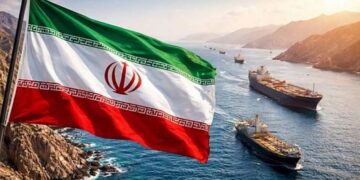
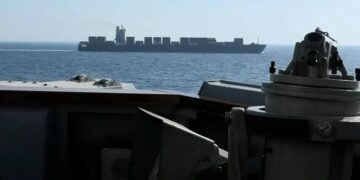
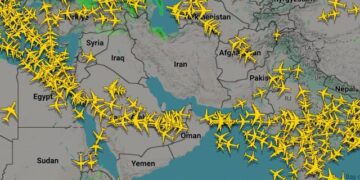
Oil had earlier spiked on concerns about disruptions after the U.S. Department of Transportation’s Maritime Administration issued guidance urging U.S.-flagged vessels to avoid Iranian territorial waters in the Strait of Hormuz, a critical chokepoint through which roughly one-fifth of the world’s oil supply passes. That advisory underscored lingering worries about security along major shipping routes.
However, the tone softened after reports that indirect talks between the U.S. and Iran will continue, easing the immediate fear of an escalation that could disrupt crude flows. Analysts said this helped temper bullish bets on near-term supply shortages and contributed to the slight pullback in prices.
Traders remain cautious, keeping a modest risk premium in oil valuations because tensions have not fully abated. Iran, a major crude producer and member of OPEC+, has seen its exports decline under new U.S. sanctions linked to internal unrest and diplomatic pressure, which also feeds into uncertainty over future supply.
Industry observers noted that a fifth of global oil consumption moves through the Strait of Hormuz, meaning any actual conflict or disruption there would quickly squeeze supply and push prices higher.
The market’s reaction comes as several intersecting pressures influence energy trading:
- Geopolitical risks: Year-to-date volatility in the Middle East continues to keep traders alert to shifts in diplomatic ties and potential sanctions.
- Supply shifts: Reduced output from some OPEC producers, including Nigeria and Libya, has pressured overall supply levels, even as other members maintain output goals.
- Trade patterns: India’s move to diversify away from Russian crude and seek barrels from West Africa and the Middle East has reshaped flows and lent support to global benchmarks.
With producers, policymakers and traders all watching geopolitical developments closely, analysts say oil may continue to trade within a wide range. A successful diplomatic outcome in U.S.–Iran negotiations could ease risk premiums and push prices lower, but renewed tensions or supply interruptions would likely lift markets again.
Investors now await further economic data and any new announcements from OPEC+ as well as developments in the nuclear talks, which together will help shape crude price direction in the coming weeks.