













































































Oil markets were on track for their first weekly decline in nearly two months on Friday, as traders shifted focus toward planned negotiations between the United States and Iran that could ease Middle East geopolitical risks and weigh on prices.
Brent crude futures rose modestly to around $67.80 a barrel early on Friday, while U.S. West Texas Intermediate (WTI) also saw slight gains. But both benchmarks remain down more than 3% from late‐January highs, even after a rally earlier this week sparked by concerns over escalating tensions between Washington and Tehran.
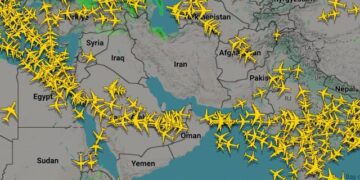
Market participants are warning that the outcome of today’s talks in Oman, which Tehran and Washington have yet to agree on in terms of agenda and scope, is keeping sentiment fragile. Iran wants to confine talks to its nuclear programme, while the United States aims to address broader issues, including ballistic missiles and support for armed groups in the region.
Analysts said easing fears of a Middle East conflict could strip the oil market of its geopolitical risk premium, which had propped up prices in recent weeks. A recovery in output from other producers, including Kazakhstan, could further add to downside pressure later this year.
About one‐fifth of the world’s oil supply transits through the Strait of Hormuz, a key chokepoint near Iran. Any escalation in tensions there can quickly ripple through energy markets, but hopes that diplomacy may avert confrontation are tempering trader risk appetites.
Prices were also pressured earlier in the week after Brent and WTI slid more than 3% on Thursday, with traders eyeing the talks as signs of possible de-escalation.
With the prospect of reduced geopolitical risk premiums and improving supply fundamentals, many investors are cautious as the week ends, even if crude posts modest gains on the day. Continued negotiations and fresh economic data are expected to shape oil price direction in the coming sessions.