








































































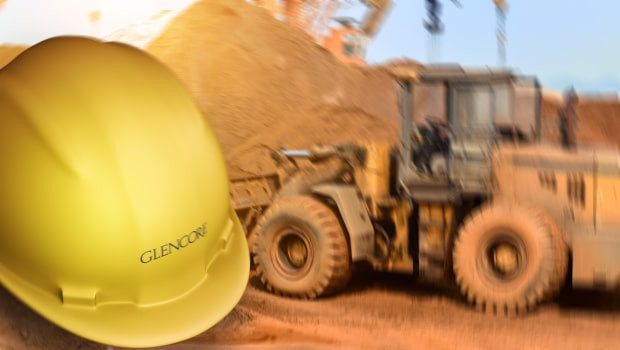
Global commodities giant Glencore is in advanced discussions to sell a 40% stake in its Democratic Republic of Congo (DRC) mining operations in a deal valued at about $9 billion, according to sources familiar with the matter, underscoring renewed investor interest in strategic battery metals despite geopolitical and regulatory risks.
The talks center on Glencore’s copper and cobalt assets in the DRC, a country that plays a pivotal role in global supply chains for electric vehicles and energy transition materials. While negotiations are ongoing and no final agreement has been reached, the potential transaction would rank among the largest mining deals in Africa in recent years.
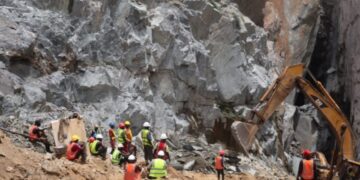
Glencore’s DRC portfolio includes stakes in some of the world’s most productive copper and cobalt operations, notably the Mutanda and Kamoto Copper Company (KCC) mines. These assets are critical to Glencore’s earnings and to global cobalt supply, given the DRC accounts for roughly 70% of worldwide production.
Sources say the stake sale is being structured to retain Glencore as the controlling shareholder and operator, allowing the company to unlock value while maintaining strategic oversight of operations.
Potential buyers are believed to include sovereign wealth funds, global mining firms, and long-term institutional investors seeking exposure to energy transition metals.
Analysts say the move reflects Glencore’s broader strategy to rebalance its portfolio, strengthen its balance sheet, and crystallize value from high-performing assets amid volatile commodity markets.
“Selling a minority stake allows Glencore to monetize part of its DRC exposure without exiting assets that are central to the energy transition,” said a mining industry analyst in London. “It also spreads geopolitical and operational risk.”
The company has not publicly confirmed the talks but has previously indicated openness to selective asset sales or partnerships, particularly where capital intensity and political risk are high.
Operating in the DRC carries significant challenges, including regulatory uncertainty, tax disputes, infrastructure deficits, and security concerns. In recent years, the Congolese government has pushed for greater state participation and higher revenues from mining projects, leading to renegotiations with several international firms.
Despite these risks, demand for cobalt and copper, essential for electric vehicles, renewable energy systems, and grid infrastructure, has kept investor appetite strong.
If concluded, the deal could reshape ownership dynamics in one of the world’s most strategically important mining regions and set a benchmark valuation for African copper-cobalt assets.
It could also provide Glencore with fresh capital for debt reduction, shareholder returns, or reinvestment in other growth areas, including recycling and low-carbon technologies.
For the DRC, a successful transaction may bring in new investors and reinforce the country’s role in the global energy transition, though critics continue to raise concerns about governance, environmental standards, and community impact.
Negotiations are ongoing, and sources caution that terms could still change or talks could collapse. Any transaction would be subject to regulatory approvals, including from Congolese authorities.
Until then, markets will be watching closely, as the outcome could signal how major miners plan to navigate resource nationalism, ESG pressures, and surging demand for critical minerals in a rapidly evolving global