






















































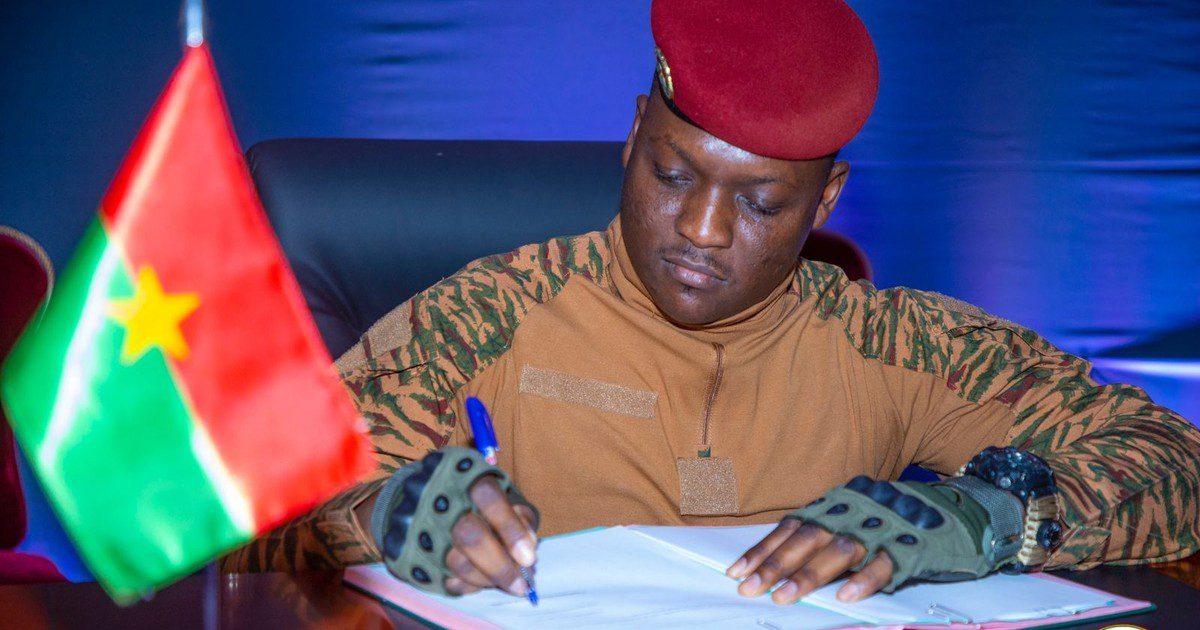
Burkina Faso’s military-led government has dissolved all political parties and associations, marking a major escalation in its consolidation of power and drawing fresh concern over the country’s political future and civil liberties.
The decision, announced in a government decree, effectively suspends all partisan political activity and halts the operations of political organizations nationwide. Authorities said the move is intended to “reorganize” the political space and prevent what they described as divisions that undermine national unity and the fight against insecurity.
Burkina Faso has been under military rule since September 2022, when Captain Ibrahim Traoré seized power in a coup, citing the civilian government’s failure to contain jihadist violence linked to al-Qaeda and the Islamic State. Since then, the junta has ruled by decree, delaying a promised return to civilian governance.
Government officials argued that political parties have contributed little to resolving the country’s security crisis and instead fostered instability. “The priority of the transition is security and national survival,” a government spokesperson said, adding that political competition could resume “at the appropriate time.”
Critics, however, see the dissolution as a serious setback for democracy and a move that entrenches military rule. Opposition figures and civil society groups warned that eliminating political parties removes a key channel for public participation and accountability.
“This decision closes the civic space even further,” said a regional political analyst. “Without parties, there is no structured opposition, no debate, and no roadmap for a credible transition back to civilian rule.”
The development mirrors a broader trend across parts of West Africa, where military governments in Mali, Niger, and Burkina Faso have curtailed political freedoms following coups, often justifying their actions as necessary to combat insurgency and restore order.
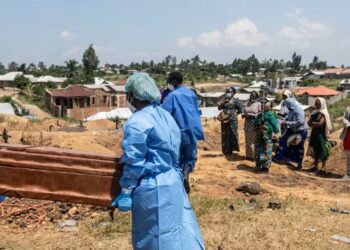
Burkina Faso continues to face one of the region’s worst security crises, with armed groups controlling large swathes of territory and millions displaced by violence. Despite aggressive military campaigns and the mobilization of civilian auxiliaries, attacks on both civilians and security forces have persisted.
International reaction to the decree has been cautious but critical. Western governments and regional bodies have repeatedly urged Burkina Faso’s authorities to respect fundamental freedoms and commit to a clear, time-bound transition to civilian rule.
For now, the dissolution of political parties leaves Burkina Faso without formal political pluralism, raising questions about how, and when, the country’s military leaders intend to hand back power, and what role citizens will be allowed to play in shaping that process.