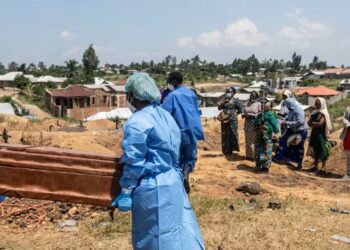















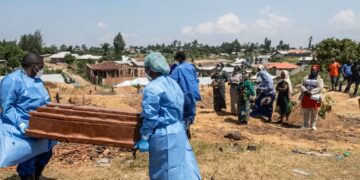

































































In a major victory for the continent’s healthcare systems, the Africa Centres for Disease Control and Prevention (Africa CDC) has officially declared that Africa is no longer in a state of emergency regarding the mpox (formerly monkeypox) outbreak.
The announcement was made today, Saturday, 24 January 2026, by Africa CDC Director-General Dr. Jean Kaseya, who cited a sustained decline in new cases and improved regional coordination as the primary reasons for the downgrade.
The decision to end the public health emergency of continental security (PHECS) comes after several months of aggressive intervention:
Dr. Kaseya highlighted the successful rollout of millions of vaccine doses across high-risk zones, particularly in the DRC, Nigeria, and Burundi.
Adding that enhanced local monitoring and rapid response teams have effectively “boxed in” the virus, preventing the large-scale cross-border spreads seen in 2024 and 2025.
Access to antiviral treatments has significantly lowered the mortality rate, turning a once-deadly threat into a manageable health issue.
While the “emergency” status has been lifted, the Africa CDC chief was careful to note that the virus has not been eradicated.
Monitoring for mpox will now be integrated into regular national health programs rather than “crisis-mode” operations.
Addressing stigma, continued efforts have been cited as the key to ensuring those in affected communities feel safe seeking care without fear of social ostracization.
The CDC will also continue to support African-led research into long-term vaccine efficacy and the impact of the virus on different demographics.
Mpox Outlook: Before vs. After (January 2026)
| Metric | Peak (2024-2025) | Current (Jan 2026) |
| New Weekly Cases | 1,200+ | Under 50 |
| Fatality Rate | ~3.5% | < 0.5% |
| Vaccine Coverage | < 5% | ~65% (in high-risk zones) |
| Response Status | Emergency | Routine Surveillance |