















































































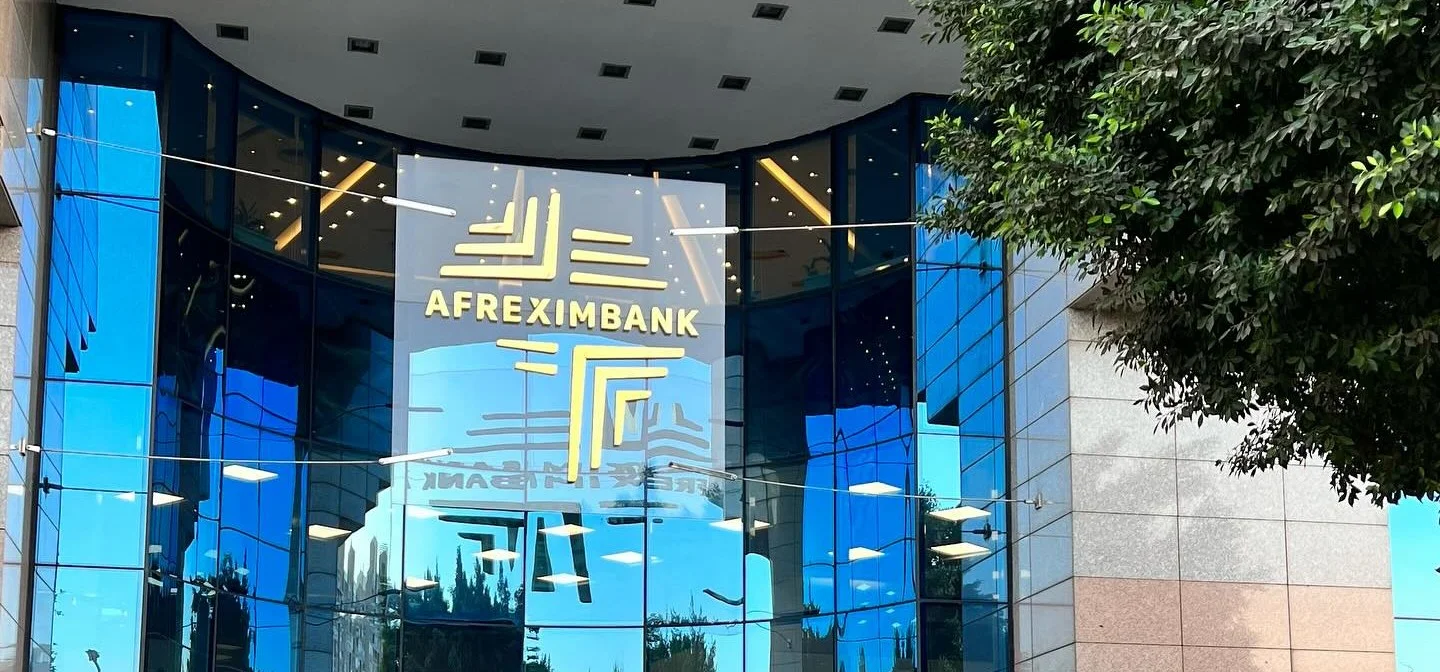
The African Export-Import Bank (Afreximbank) has officially terminated its relationship with Fitch Ratings, effective today, Friday, 23 January 2026. The drastic move follows a heated dispute over Fitch’s decision to downgrade the bank’s credit rating, a move Afreximbank leaders have slammed as “technically flawed” and “biased against African institutions.”
The pan-African multilateral lender stated it will no longer participate in Fitch’s rating process, accusing the agency of failing to account for the bank’s unique resilience and strategic role in the continent’s economy.
The fallout was triggered by Fitch’s recent decision to lower Afreximbank’s long-term issuer default rating. Afreximbank’s rebuttal centers on three main points:
Macro-Bias: The bank argues that Fitch overweighted regional geopolitical risks (like the Mali mining shift and Guinea-Bissau transition) while ignoring Afreximbank’s record of zero defaults from sovereign members.
Collateral Quality: Afreximbank claims the agency undervalued its highly liquid collateral and structured trade finance model.
Methodological Flaws: The bank’s leadership stated that Fitch’s model is “rigid” and doesn’t reflect the “Preferred Creditor Status” that African nations grant to the bank.
Current Rating Landscape
Despite the break with Fitch, Afreximbank remains one of the highest-rated entities in Africa, supported by other major global agencies:
| Agency | Current Rating (Jan 2026) | Outlook | Status |
| GCR (Global Credit Rating) | AA+ | Stable | Active |
| Moody’s | Baa1 | Stable | Active |
| S&P Global | BBB | Positive | Active |
| Fitch | (Withdrawn) | — | Relationship Terminated |
This “divorce” is being seen as a watershed moment for African Financial Sovereignty.
The Narrative Shift: It signals a growing trend where African institutions are no longer willing to accept “top-down” assessments from Western agencies that they feel don’t understand local market dynamics.
Borrowing Costs: While the severance might cause brief jitters for some bondholders, analysts suggest that the support from Moody’s and S&P will keep Afreximbank’s access to international capital markets secure.
Call for African Agencies: The dispute has reignited calls for the establishment of a Pan-African Credit Rating Agency to provide a “more nuanced” view of the continent’s creditworthiness.