

























































In a move that has rattled international investors, the President of Mali (led by the transitional military government) has signed a series of sweeping decrees to tighten direct state control over the nation’s lucrative mining sector. The announcement, made today, Thursday, 22 January 2026, marks a significant shift toward “resource sovereignty” for Africa’s third-largest gold producer.
The new measures effectively bypass traditional ministerial oversight, placing the final approval for all new mining permits and contract renewals directly on the President’s desk.
“For too long, Mali’s wealth has flowed outward while our people remained in poverty. These reforms are not an attack on investors; they are an invitation to partnership based on mutual respect and shared prosperity. The sun of Mali’s resources will now shine on its own citizens first.” – Presidency
The 2026 reforms build upon the 2023 Mining Code but go much further in centralizing power: The state and local private investors can now claim up to a 35% stake in new mining projects (up from previous limits).
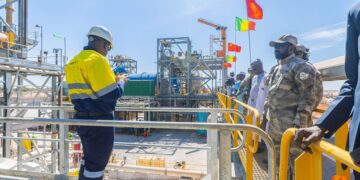
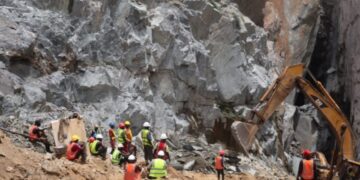
The President has ordered an immediate forensic audit of all active gold and lithium mines to ensure “compliance with national interests” and fair tax contributions.
A new state-owned mining company, SOREM, will now have “first-rate priority” on all new discoveries, with its board reporting directly to the Presidency.
Mali is a critical player in the global supply chain, and these “jitters” are being felt in boardrooms from Toronto to Perth:
As major miners like Barrick Gold and B2Gold operate in Mali, the threat of contract renegotiations has led to a cautious “holding pattern” for further investments in the region.
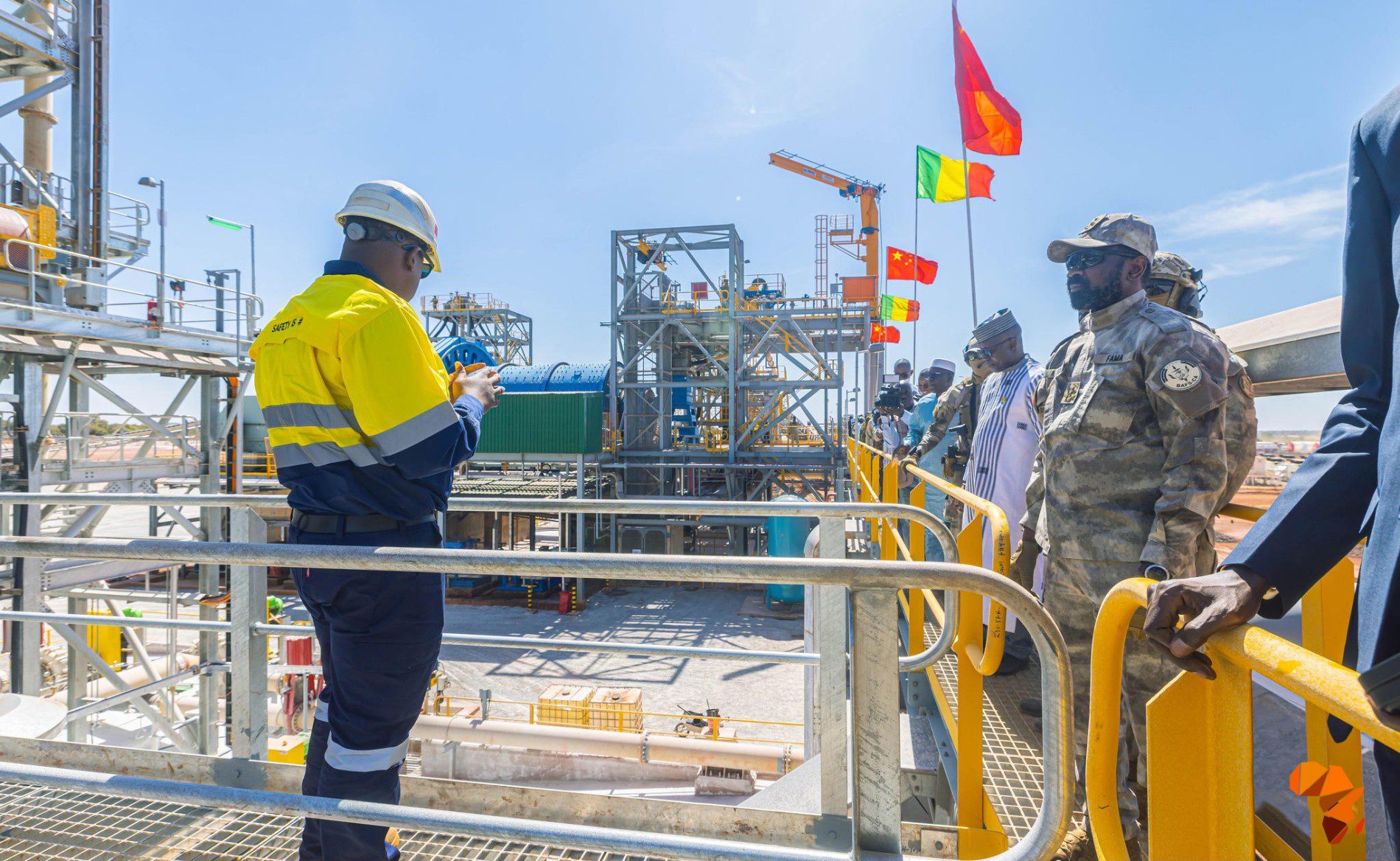
Mali is home to the Goulamina lithium project, essential for the global EV battery market. Direct presidential control raises questions about future export licenses to Western vs. Eastern partners.
Analysts worry that Mali’s move toward resource nationalism could inspire similar shifts in neighboring Burkina Faso and Niger, potentially reshaping the economic landscape of the Sahel.