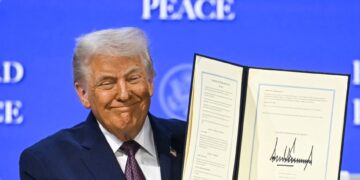

















































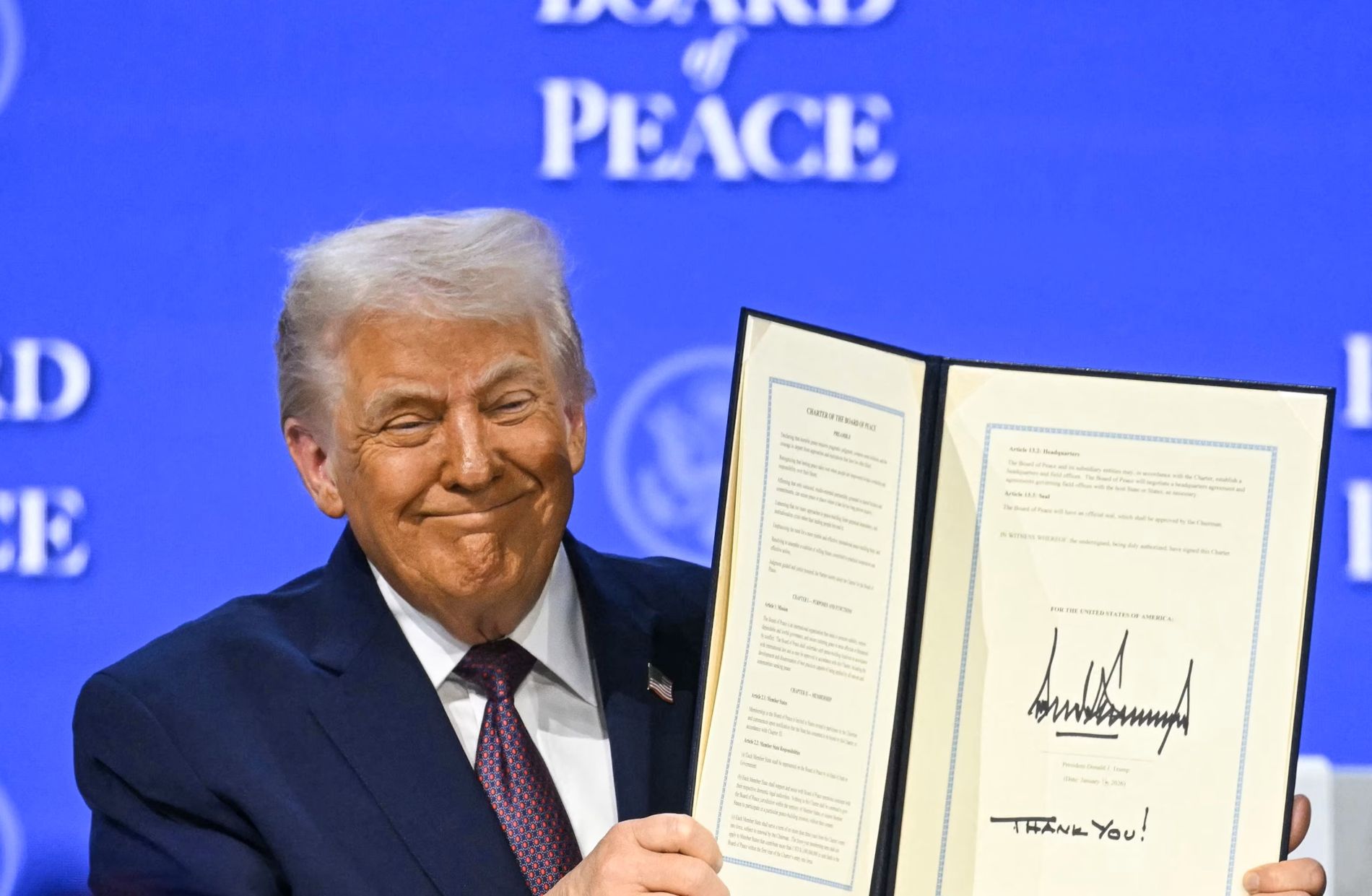
The mandate for President Trump’s newly formed “Board of Peace” has been clarified today, Thursday, 22 January 2026. Beyond its role in broader diplomatic mediation, the Board has been officially designated as the primary international body to oversee the multi-billion-dollar reconstruction of the Gaza Strip.
By bringing Turkey and Saudi Arabia into the fold, the Board aims to leverage regional trust and massive capital to turn one of the world’s most volatile areas into a “global hub for trade and stability.”
The Board’s operations are divided into two distinct but overlapping tracks. A multi-national fund, largely backed by Gulf states and private investment, aimed at rebuilding critical infrastructure (ports, energy grids, and housing); and a “Neutral Oversight” force, potentially involving Turkish and Arab personnel, to ensure that reconstruction materials are not diverted for military use.
The Board will work with “technocratic” local leadership to manage the transition, bypassing traditional political stalemates.
They will also apply the “Gaza Model” (economic incentives tied to security guarantees) to other flashpoints, including the Arctic disputes and tensions in the South China Sea.
By including Turkey, the Board creates a direct line for mediating between the West and non-Western powers (Russia/Iran), aiming for “rapid-result” ceasefires.
However, critics and international observers have raised two main concerns around sovereignty asking will the Board essentially act as a “corporate governor” over Gaza, or will it eventually hand power back to a sovereign Palestinian entity?
The other is that by taking over reconstruction, the Board effectively displaces the he United Nations Relief and Works Agency (UNRWA) and other UN agencies, a move that the UK and EU have described as “diplomatically risky.”