
































































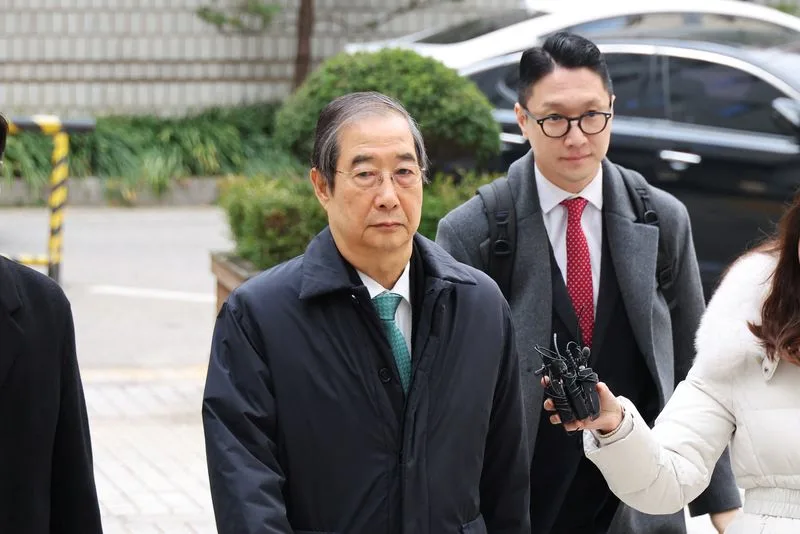
In a landmark ruling that has sent shockwaves across Asia, the Seoul Central District Court has sentenced former President Yoon Suk-yeol to 23 years in prison. The verdict, delivered today, Thursday, 22 January 2026, follows a high-profile trial centred on his controversial and short-lived declaration of martial law in late 2024.
The court found the former leader guilty of insurrection, abuse of power, and subverting the constitution, marking one of the swiftest and most severe legal downfalls for a head of state in modern South Korean history.
The presiding judge described the December 2024 martial law declaration as a “grave assault on the democratic foundation of the Republic of Korea.” Key findings included:
The court ruled that the deployment of special forces to the National Assembly was an illegal act designed to paralyze the legislature.
Evidence showed that the move was not based on any legitimate national security threat, but rather an attempt to suppress political opposition and investigations.
The sentencing took into account the massive social unrest and economic instability caused by the 6-hour martial law window.
The ruling is seen as a “final closure” for the mass protests (the “Candlelight Vigils”) that initially led to his impeachment.
While the markets have largely priced in a conviction, the 23-year term, longer than many expected, has caused a minor dip in the KOSPI index as investors assess long-term political stability.
Thousands gathered outside the courthouse, with many celebrating the verdict as a “victory for the rule of law,” while a small group of supporters held a silent vigil decrying the trial as “politically motivated.”
Comparative Post-Presidency Legal Battles in South Korea
| President | Major Charge | Sentence | Result |
| Yoon Suk-yeol | Insurrection (Martial Law) | 23 Years | Just Sentenced (2026) |
| Park Geun-hye | Bribery / Abuse of Power | 24 Years | Pardoned in 2021 |
| Lee Myung-bak | Corruption / Embezzlement | 15 Years | Pardoned in 2022 |
Yoon’s legal team has already announced their intention to appeal, calling the 23-year sentence “unprecedented and excessively harsh for a leader who acted in what he believed was the national interest.”