













































































Global oil benchmarks rose slightly today, Wednesday, 21 January 2026, as investors reacted to news of a force majeure declaration at one of Kazakhstan’s largest oil fields. The unexpected supply disruption has tightened the market at a time when traders were already on edge over geopolitical tensions and U.S. tariff threats.
The news provided a “bullish” floor for crude, pushing prices higher after a period of relative stability earlier in the week.
Brent Crude: Rose 0.8% to trade at $77.05 per barrel.
West Texas Intermediate (WTI): Increased 0.9% to $72.60 per barrel.
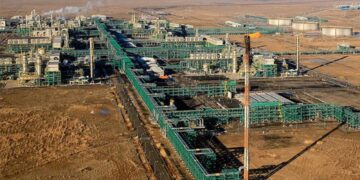
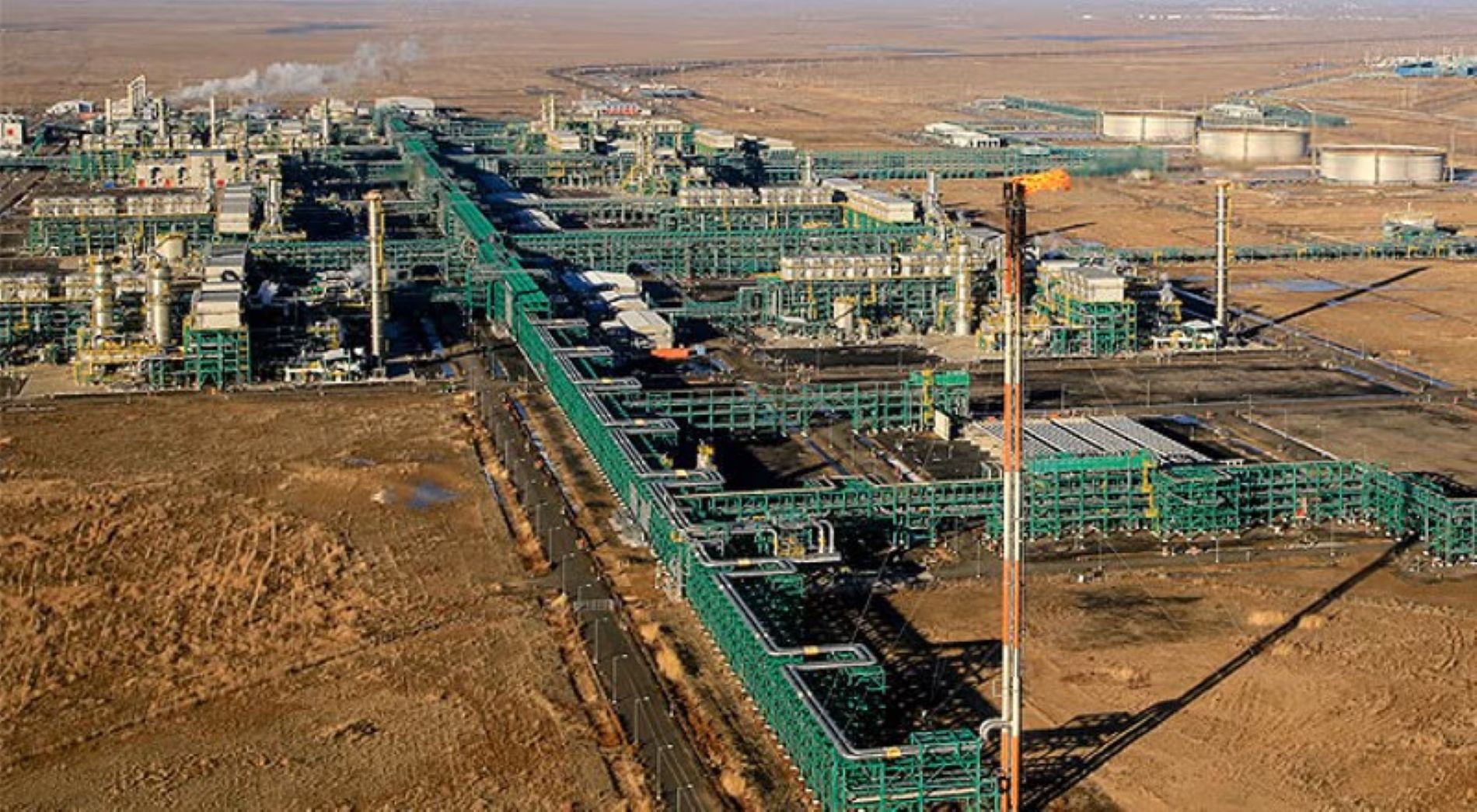
The disruption is centered at the Tengiz field, operated by Tengizchevroil (TCO), one of the world’s highest-producing inland oil fields.
While TCO has not released full details, preliminary reports cite “technical disruptions” at the main processing facility, possibly linked to extreme winter weather and power grid instability in the region.
A force majeure, a legal clause that allows a company to miss deliveries due to circumstances beyond its control, means that immediate exports of CPC (Caspian Pipeline Consortium) crude are expected to drop by approximately 200,000 to 300,000 barrels per day in the coming weeks.
Most of this oil is exported via the CPC pipeline through Russia to the Black Sea, making any disruption particularly sensitive for European refineries.
Market Factors Impacting Oil Today
| Factor | Influence | Analyst View |
| Kazakh Supply | Bullish | Immediate reduction in light, sweet crude availability. |
| US Dollar Strength | Bearish | A stronger dollar usually makes oil more expensive for other currencies. |
| Geopolitical Risk | Bullish | Ongoing tensions over Greenland and Chagos keep a risk premium in the price. |
| Global Demand | Neutral | Concerns over a slowing China are currently balanced by tight supply. |
Speaking on this development, Lydia Rossi, Energy Market Analyst at Global Commodities says:
“The Kazakh disruption is the first major supply shock of 2026. While the volume is manageable in the short term, it reminds the market of just how fragile the global supply chain remains. If this force majeure extends into February, we could see Brent testing the $80 mark very quickly.”
The timing of this disruption is critical, as it coincides with President Trump’s expected speech on trade and tariffs (as reported earlier). Many traders are hedging their bets, fearing that a “Trade War 2.0” could impact global shipping and energy demand, while supply shocks like the one in Kazakhstan drive prices in the opposite direction.