
















































































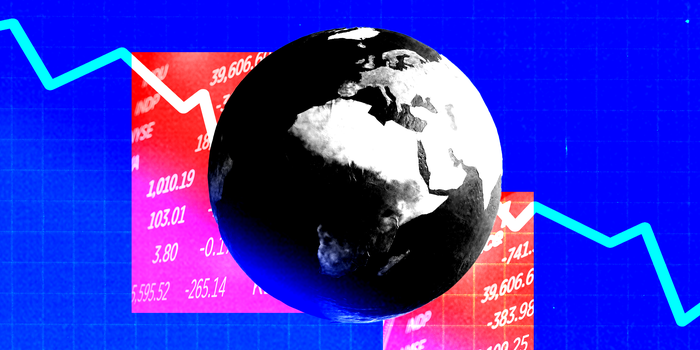
Global financial markets are in a state of heightened volatility today, Tuesday, 20 January 2026, as investors scramble to price in the latest trade salvos from the Trump administration. European stocks have extended their losses, while the U.S. Dollar has softened as traders weigh the long-term inflationary impact of a renewed global trade war.
The pan-European STOXX 600 fell by 1.4% in early trading, reaching its lowest level in three weeks. The sentiment was dampened by specific threats of “reciprocal tariffs” aimed at European luxury goods and machinery.
DAX (Germany): Dropped 1.7%, heavily weighed down by automotive giants like BMW and Volkswagen, who fear losing competitive ground in the U.S. market.
CAC 40 (France): Fell 1.2% as luxury conglomerates LVMH and Kering faced the prospect of higher duties on exports to North America.
FTSE 100 (UK): Remained relatively resilient but still dipped 0.6% on fears of a broader global slowdown.
In a surprising turn, the U.S. Dollar Index (DXY) fell by 0.5% today. While tariffs are usually “dollar-positive” due to safe-haven flows, analysts suggest the current drop is driven by:
Inflation Jitters: Markets fear that high tariffs will force the Federal Reserve to keep interest rates elevated for longer, potentially stifling U.S. growth.
Retaliatory Fears: Rumors of a coordinated response from the European Union and China have led some investors to diversify away from the greenback.
Treasury Yields: Bond prices rose (yields fell) as investors sought the safety of government debt over equities.
The primary catalyst remains the President’s latest executive order draft, which reportedly outlines a 10% universal baseline tariff on all imports and a 60% levy on specific Chinese-made components.
“The era of free trade without consequences is over,” a senior administration official stated. “We are prioritizing domestic manufacturing, even if it means short-term market turbulence.”
Helena Vance, Senior Economist at EuroBank:
“Europe is in a vulnerable position. Unlike the 2018 trade spat, European economies are currently struggling with stagnant growth.2 A full-scale tariff war with the U.S. could push the Eurozone into a technical recession by the second half of 2026.”