

































































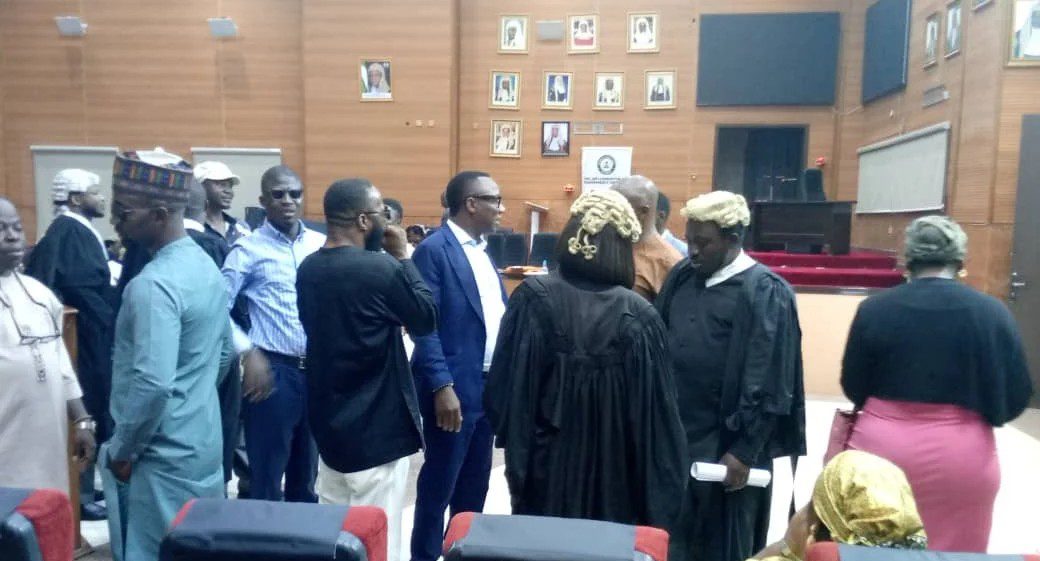
The Federal Government (FG) has significantly revised its legal strategy in the ongoing cyberbullying case against human rights activist and former presidential candidate Omoyele Sowore.
In an amended charge sheet filed today, Monday, 19 January 2026, at the Federal High Court in Abuja, the government has removed social media conglomerates Meta (owners of Facebook/Instagram) and X (formerly Twitter) as defendants in the suit.
The case, which originally sought to hold both the publisher and the platforms responsible for allegedly “malicious” and “threatening” content, has now been streamlined to focus primarily on the individual.
Sole Defendant: Omoyele Sowore now stands as the primary defendant in the case.
The Charges: The government continues to allege that Sowore used his social media presence to “knowingly send messages that are grossly offensive” and “likely to cause fear of death, violence, or bodily harm” to certain public officials, in violation of the Cybercrimes (Prohibition, Prevention, etc.) Act.
Why Drop Meta and X? Legal sources suggest the FG’s decision to drop the global tech giants was a tactical move to avoid a protracted and complicated international legal battle. Removing the platforms allows the prosecution to focus on the “originator” of the content rather than the “intermediaries.”
Timeline of the Case
| Date | Event |
| Late 2025 | FG files initial charges against Sowore, citing Meta and X as co-conspirators. |
| Jan 12, 2026 | Legal teams for Meta and X challenge the jurisdiction of the Nigerian court. |
| Jan 19, 2026 | FG files amended charges, dropping the tech platforms to focus on Sowore. |
Speaking outside the courtroom today, Sowore’s lead counsel described the initial inclusion of the social media platforms as “political theater” that was “destined to fail.”
“The government realized they could not win a fight against global entities that have no direct hand in what users post. Now, they are left with a weak case against a citizen exercising his right to free speech. This is nothing but continued harassment of a man who refuses to remain silent.”
The case has sparked a wider debate in Nigeria regarding the boundary between legitimate political criticism and criminal cyberbullying. Human rights groups have warned that the Cybercrimes Act is increasingly being used as a tool to silence investigative journalists and activists who expose government corruption.
The presiding judge has adjourned the case to 12 February 2026, for a formal plea to be taken on the amended charge