










































































Crude oil prices fell on Monday, 19 January 2026, as signs of stabilizing domestic conditions in Iran led traders to dial back the “geopolitical risk premium” that had inflated prices last week.
Market participants are shifting their focus from potential supply disruptions in the Middle East toward a darkening global economic outlook, fueled by the trade and tariff tensions mentioned in earlier sessions.
Price Action: Brent and WTI Slide
Both major benchmarks saw significant pullbacks during early morning trading as the threat of a wider conflict in the Persian Gulf appeared to diminish.
Brent Crude: Dropped $1.85 (2.3%) to trade at $76.40 per barrel.
West Texas Intermediate (WTI): Fell $1.60 (2.2%) to $71.90 per barrel.
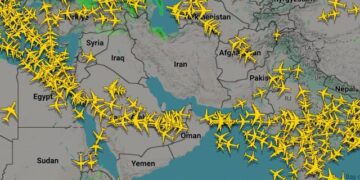
The “risk premium” is the extra cost added to oil prices when investors fear a sudden loss of supply. This premium is currently evaporating due to reports from Iran suggesting that recent civil unrest and political friction have stabilized without impacting the country’s oil production infrastructure or the critical Strait of Hormuz.
Satellite data and shipping logs also show that Iranian exports remain consistent, easing fears that domestic turmoil would lead to a “force majeure” on international contracts.
As global stocks take a hit from new tariff threats, the outlook for energy demand has softened. Investors fear that a trade war will slow down industrial activity, reducing the world’s need for fuel.
Oil Market Drivers (January 19, 2026)
| Factor | Influence | Market Impact |
| Iran Stability | Bearish | Easing of supply disruption fears. |
| Global Trade War | Bearish | Lower expected demand for industrial fuels. |
| US Dollar Strength | Bearish | Stronger dollar makes oil more expensive for foreign buyers. |
| OPEC+ Compliance | Neutral | Output remains steady per the latest production quotas. |
Marcus Thorne, Senior Energy Analyst:
“Last week, the market was pricing in a worst-case scenario where Iranian unrest spilled over into the oil fields. Now that the situation looks contained, that ‘fear money’ is leaving the market. When you combine that with the new tariff threats between the US and EU, you have a recipe for lower prices as the demand side of the equation looks increasingly shaky.”
Ministers from the OPEC+ alliance are reportedly monitoring the situation closely. While no emergency meeting has been called, sources suggest the group may consider further production cuts if Brent falls below the $75 support level, a move intended to floor the price in the face of global trade uncertainty.