














































































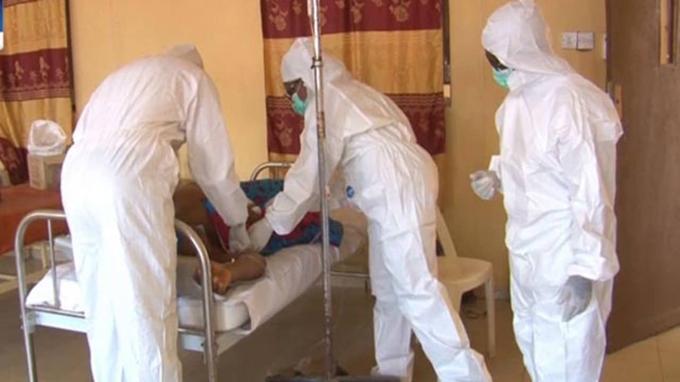
Health authorities in Benue State have confirmed the discovery of seven new suspected cases of Lassa Fever, sparking fresh concerns over a potential outbreak in the North-Central region.
The State Ministry of Health, in collaboration with the Nigeria Centre for Disease Control (NCDC), announced the development today, Monday, 19 January 2026, following a routine surveillance report from local government health clinics.
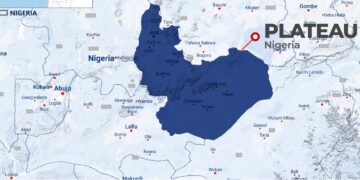
The suspected cases were reported across three local government areas (LGAs) known for being “hotspots” during the dry season:
LGAs Involved: Makurdi, Gwer West, and Otukpo.
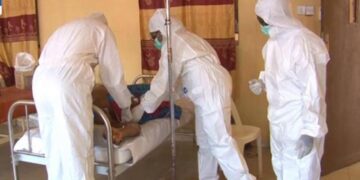
Current Status: All seven patients have been isolated at the Benue State University Teaching Hospital (BSUTH), Makurdi, and the Federal Medical Centre (FMC), Makurdi.
Testing: Samples have been dispatched to the NCDC Reference Laboratory in Abuja for official confirmation. Results are expected within the next 48 to 72 hours.
The Benue State Commissioner for Health has activated the State Emergency Operations Centre (EOC) to prevent further spread.
Health teams have been deployed to the affected communities to identify and monitor individuals who had close contact with the suspected cases.
A state-wide sensitization campaign has been launched, focusing on food hygiene and the dangers of “bushmeat” consumption.
The state has replenished its supply of Ribavirin (the primary antiviral treatment for Lassa fever) and Personal Protective Equipment (PPE) across all General Hospitals.
With the dry season (the peak period for rodent activity) in full swing, residents are advised to adhere to the following safety measures:
| Category | Recommended Action |
| Food Storage | Store grains and foodstuffs in airtight, rodent-proof containers. |
| Waste Disposal | Dispose of garbage far from the house to avoid attracting rats. |
| Hand Hygiene | Wash hands regularly with soap and water after cleaning or handling food. |
| Medical Care | Report any case of persistent high fever or unusual bleeding to a doctor immediately. |
Health officials have strongly warned residents against treating persistent fevers at home with over-the-counter malaria or typhoid drugs asserting that;
“Lassa fever symptoms often mimic malaria. The danger is that while you are treating malaria, the virus is damaging internal organs. If you have a high fever that does not respond to common drugs within 48 hours, visit a designated health center immediately.”