













































































As the curtain falls on the 2026 Africa Cup of Nations (AFCON) today, Sunday, 18 January 2026, international observers and FIFA officials are hailing the tournament as much more than a sporting success. For the Kingdom of Morocco, this month-long event has served as a critical “high-stress test” for the infrastructure and logistics that will underpin the 2030 FIFA World Cup.
With Morocco set to co-host the 2030 global showpiece alongside Spain and Portugal, the seamless execution of AFCON 2026 has sent a powerful message to the world: Morocco is ready.
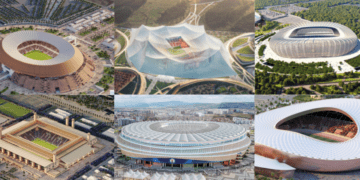
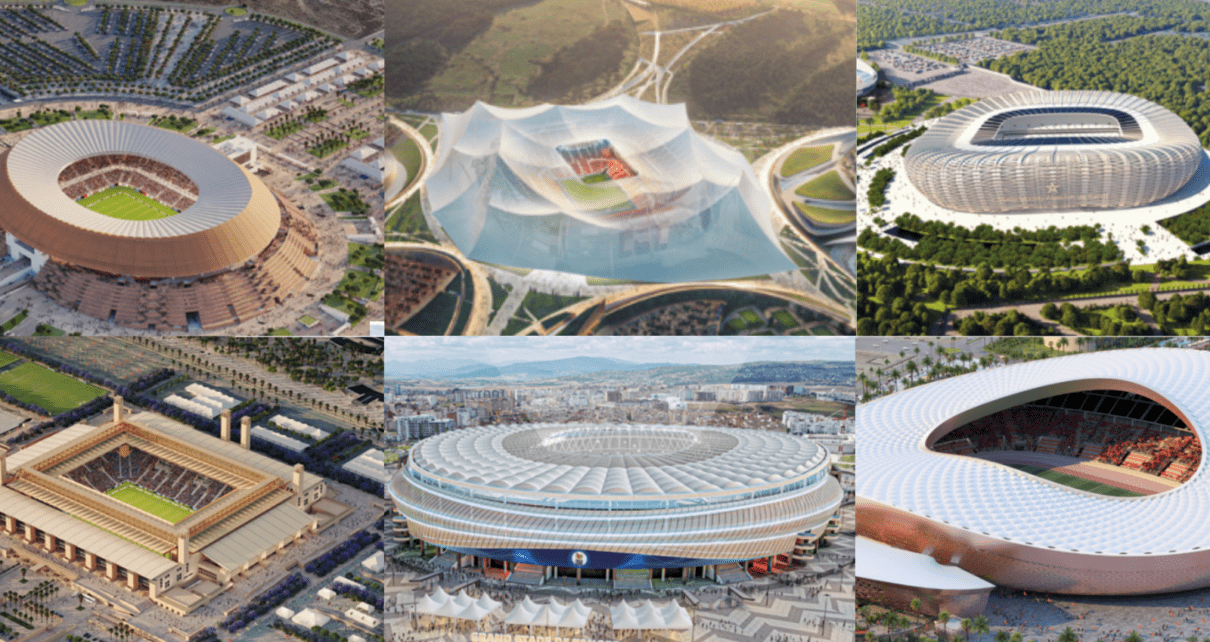
The tournament showcased six world-class venues, most of which have undergone extensive renovations or are precursors to even larger projects planned for 2030.
Grand Stade de Tanger: Currently expanded to an 80,000-seat capacity, it served as a primary hub for northern matches. Its “smart stadium” technology, tested during AFCON, will be the standard for 2030.
Complexe Sportif Prince Moulay Abdellah (Rabat): Rebuilt almost from scratch, the stadium’s new aerodynamic design and VIP hospitality wings were highly praised by CAF and FIFA delegates this month.
The “Hassan II” Mega-Project: While the 115,000-capacity Grand Stade Hassan II in Benslimane is still under construction for 2030, the transportation links connecting it to Casablanca were successfully trialed using the existing Mohammed V Stadium as the hub.
Morocco’s high-speed rail network, the Al Boraq, was the unsung hero of the tournament.
Travel Efficiency: Fans were able to travel between Tangier, Rabat, and Casablanca in under two hours, a feat rarely seen in previous AFCON editions.
The 2030 Plan: The government has used the AFCON rush to finalize data for the planned extension of the high-speed line to Marrakesh and Agadir, ensuring that by 2030, the entire Atlantic coast will be connected by 320km/h rail links.
Hospitality and Digital Readiness
Morocco’s goal to host 20 million tourists by 2030 got a significant boost this month.
| Sector | AFCON 2026 Performance | 2030 Outlook |
| Accommodation | Over 100,000 beds added across 5 cities. | Goal to add 50,000 more luxury units. |
| Fan Zones | Successfully managed 1 million+ visitors. | Scalability proven for the “Global Village” concept. |
| 5G Coverage | Seamless 5G in all stadiums and city centers. | Full nationwide AI-integrated smart city grids. |
Fouzi Lekjaa, President of the Royal Moroccan Football Federation (FRMF) and Chairman of the 2030 World Cup Bid Committee, stated during today’s closing press conference:
“AFCON 2026 was never just about 24 teams. It was about proving our vision. We have tested our airports, our trains, our security, and our people. Every fan who traveled easily from Tangier to Marrakesh this month is a testament to why Morocco deserves to host the world in four years.”
The tournament saw the deployment of biometric ticketing and AI-driven crowd monitoring for the first time on African soil. The “zero-incident” record in the fan zones of Casablanca and Agadir has provided a data-driven model that Moroccan security forces will present to FIFA as part of their 2030 safety guarantee.