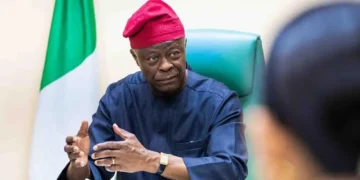



















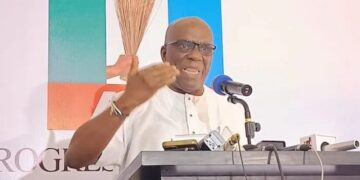











































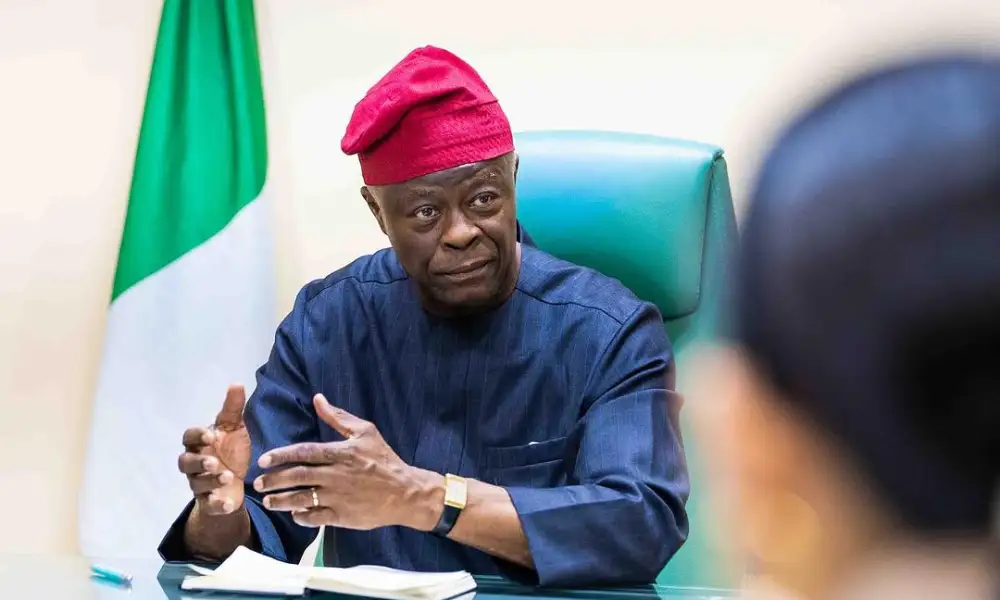
Nigeria’s Minister of Finance and Coordinating Minister of the Economy, Wale Edun, has declared that the country is officially transitioning from a period of “painful but necessary” structural reforms into a “Consolidation Phase.” Speaking at an economic briefing today, Friday, January 16, 2026, Edun stated that the macro-economic foundations laid over the past 24 months, including the removal of fuel subsidies and the unification of the exchange rate, have finally stabilized, paving the way for sustainable growth.
According to the Finance Chief, this new phase marks a shift in focus from austerity and correction to productivity and protection.
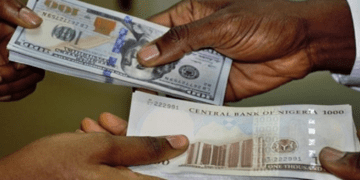
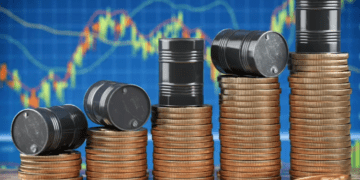
The Minister noted that the extreme volatility of the Naira has subsided, with the currency finding a “natural equilibrium” supported by increased central bank reserves and boosted crude oil production (currently averaging 1.8 million barrels per day).
After peaking in 2024 and 2025, inflation is reportedly on a downward trajectory, with the government targeting a return to mid-teens by the end of 2026.
The “Consolidation” involves tightening government spending while maximizing revenue collection through the new tax reforms led by Taiwo Oyedele.
Key Economic Indicators: Jan 2026 vs Jan 2024
| Indicator | Jan 2024 (Reform Start) | Jan 2026 (Consolidation) | Trend |
| GDP Growth | 2.8% | 3.9% (Projected) | 📈 Up |
| Inflation Rate | ~30% | 18.5% | 📉 Down |
| Oil Production | 1.3m bpd | 1.85m bpd | 📈 Up |
| Debt Service | 90% of Revenue | 62% of Revenue | 📉 Down |
Wale Edun outlined three pillars that will define the government’s actions during this consolidation period namely, increasing the scale of cash transfers and food security programs to ease the “reform fatigue” felt by the most vulnerable Nigerians; prioritizing the completion of major rail and road projects (like the Lagos-Calabar Coastal Highway and the AKK Gas Pipeline) to lower the cost of doing business; and leveraging the newly granted satellite licenses (Project Kuiper, Starlink, etc.) and the Green Bond to attract foreign capital into the tech and energy sectors.
In a message aimed at both foreign investors and weary citizens, the Minister emphasized that the “darkest days” are in the past.
“We have spent two years repairing the engine of this economy while it was still flying. It was difficult, and it was painful for many. But today, the engine is stable. We are no longer in a crisis of survival; we are now in a phase of consolidation. Our focus now is to ensure that the macro-stability we see in the books translates into cheaper food and more jobs on the streets.” – Wale Edun, 15 Jan 2026.
While market analysts have welcomed the news, citing a recent uptick in Nigeria’s sovereign bond ratings—they warn that the “Consolidation Phase” remains fragile. Success will depend on the government’s ability to maintain security in the Niger Delta and northern farming belts to ensure that production targets are met.