

















































































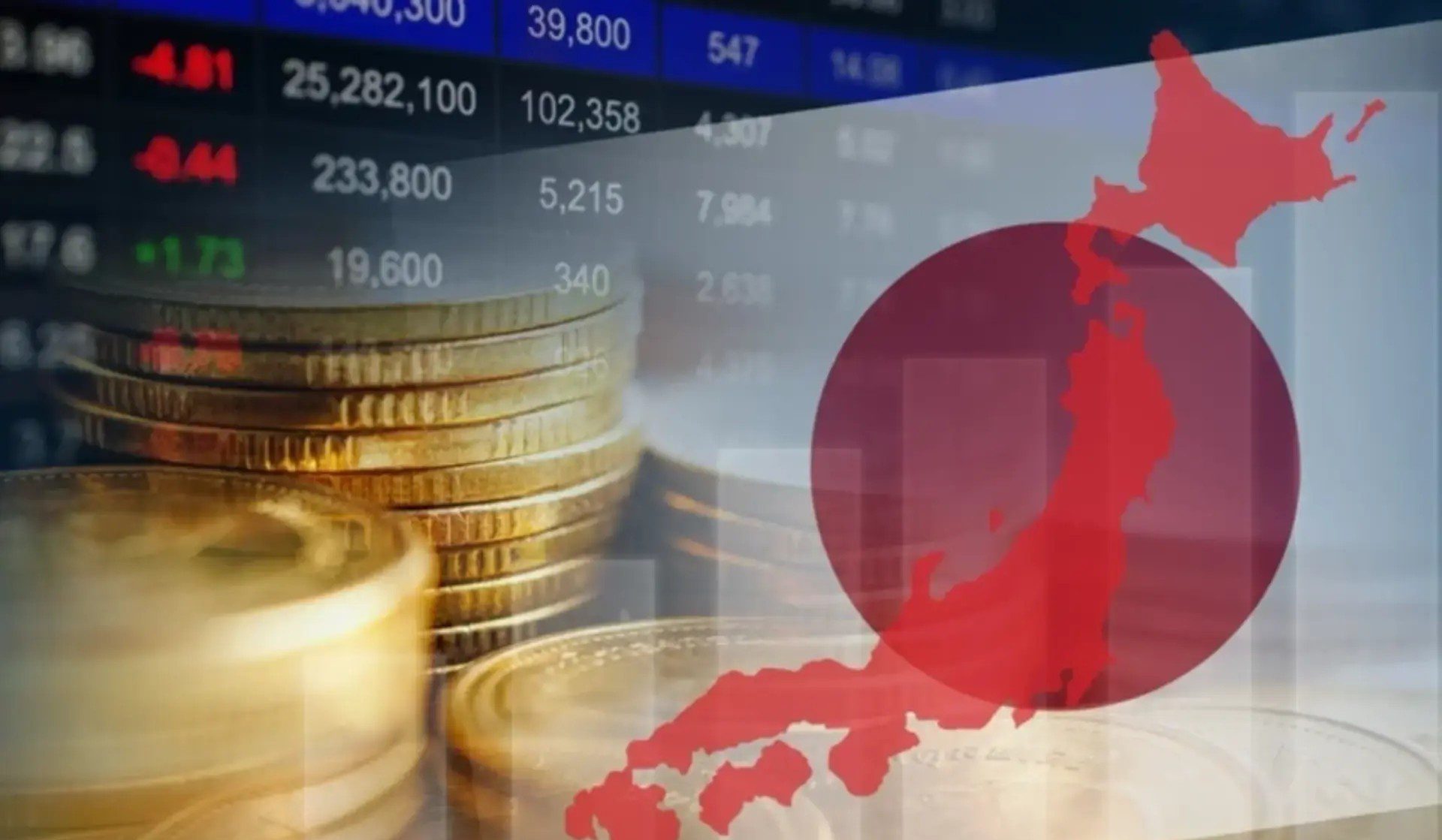
The Japanese Yen has tumbled to its lowest level in 18 months against the US Dollar today, Wednesday, 14 January 2026, sparking a high-stakes standoff between global currency traders and the Bank of Japan (BoJ).
The Yen breached the critical psychological level of ¥158 to the Dollar in early trading, a decline fueled by the widening interest rate gap between the “hawkish” US Federal Reserve and the BoJ’s relatively “dovish” stance.
With the Yen in freefall, the Japanese Ministry of Finance has shifted its rhetoric from “concern” to “extreme readiness.”
Japan’s top currency diplomat, Masato Kanda, issued a stern warning this morning, stating that the government is “watching market moves with a high sense of urgency” and will not rule out any options to counter “excessive volatility.”
Despite the warnings, hedge funds are continuing to “short” the Yen, betting that Japan is reluctant to spend its foreign reserves unless the currency hits the ¥160 “danger zone.”
The Yen’s weakness is being exacerbated by strong US economic data, which has led markets to believe that US interest rates will remain “higher for longer” throughout 2026.
The Yen’s slump is a “double-edged sword” for the Nigerian economy and consumers.
Nigeria remains a major destination for Japanese used cars (“Tokunbo”) and heavy machinery. A weaker Yen theoretically makes these imports cheaper in Dollar terms, potentially offering some relief to car dealers in Lagos.
However, the volatility in the global forex market adds to the instability of the Naira. If Japan intervenes by selling US Dollars to buy Yen, it could cause a temporary ripple in global Dollar liquidity, affecting emerging markets like Nigeria.
Some Nigerian investors are eyeing Japanese tech stocks, which are currently hitting record highs as the weak Yen boosts the profits of Japanese exporters like Sony and Toyota.
Market analysts in Tokyo suggest that the BoJ is in a “tight corner.”
“Japan is trying to talk the Yen back up without actually spending billions of dollars. But the market is calling their bluff. If we hit ¥160 by Friday, expect a massive ‘stealth intervention’ where the BoJ enters the market unannounced to burn the speculators.” – Senior Forex Strategist, Tokyo.