
















































































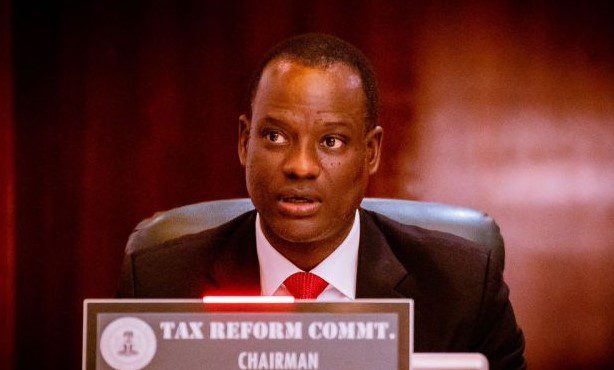
Taiwo Oyedele, Chairman of the Presidential Committee on Fiscal Policy and Tax Reforms, has revealed that he is receiving death threats following the commencement of Nigeria’s landmark 2026 tax reforms.
Speaking on Tuesday, 13 January 2026, at a governance colloquium in Abuja held to mark the 50th birthday of Hadiza Bala Usman, Oyedele described the current phase of implementation as “performing surgery” on a broken system, a process he admitted would inevitably involve “some pain.”
Oyedele emphasized that while the Tinubu administration has shown the political will to enact these changes, the actual implementation requires a level of personal “courage” due to the intense backlash from vested interests.
“You need the courage to take risks, because it’s very risky,” Oyedele stated. “There is political risk, economic risk, and reputational risk. You need to see the names they call me online. There are even threats, death threats.”
He noted that Nigeria’s previous approach to tax was like using “pain relievers” that offered temporary comfort but never cured the underlying illness. “Now we are doing the surgery. It’s going to come with some pain, but it’s the only right thing to do.”
The tax chief identified three primary reasons why the 2026 reforms are facing such fierce resistance:
Low Trust: A profound lack of trust between the government and the governed makes every policy change appear suspicious to the public.
Weak Tax Culture: Many Nigerians are unaware of their tax obligations under both the old and new laws, leading to a shock as enforcement begins.
Lack of Visible Returns: Oyedele acknowledged that it is difficult to convince citizens to pay taxes when they do not see tangible benefits, such as improved infrastructure or security, in exchange for their contributions.
To counter the “negative narratives” and misinformation fueling the threats, the Committee reiterated key pro-poor provisions of the laws that came into effect on 1 January 2026:
| Feature | Change / Provision | Impact |
| PAYE Exemption | Earnings up to ₦800,000/year are now exempt. | Targets 98% of Nigerian workers for relief. |
| Small Business | 0% Corporate Tax for companies with turnover under ₦100m. | Eases compliance for the informal sector. |
| Bank Debits | No automatic bank account debits. | Countering rumors of direct govt withdrawals. |
| Capital Gains | Exemptions for personal homes and shares up to ₦150m. | Protects middle-class assets from heavy taxation. |
Oyedele urged supporters of the reforms to be more vocal, warning that if the “silent majority” remains quiet, negative narratives and misinformation will continue to dominate public discourse and embolden those making threats.
“If we can stay the course and see this through, we will all be better for it. Nigeria is making progress, the sort of progress I haven’t seen in my adult life.” – Taiwo Oyedele, January 13, 2026.