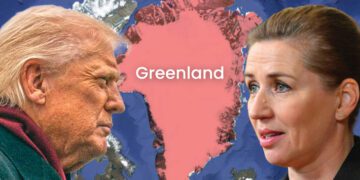









































































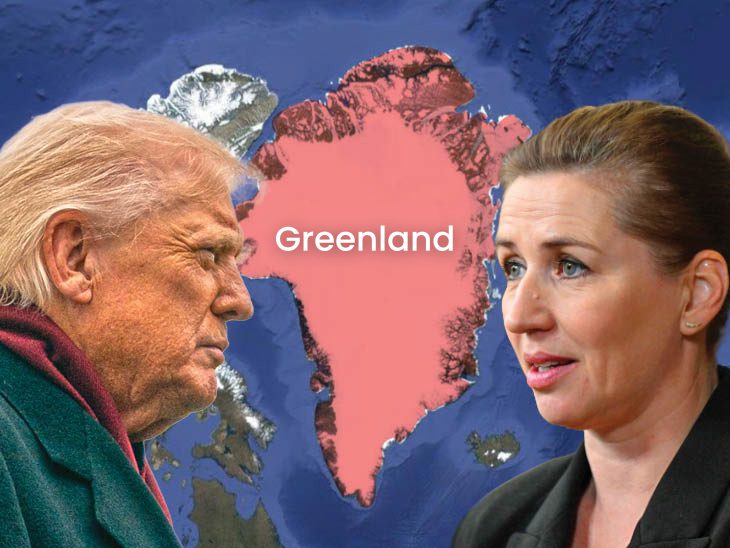
In a move that has sent shockwaves through the halls of European diplomacy, Florida Republican Congressman Randy Fine formally introduced the “Greenland Annexation and Statehood Act” today, Tuesday, 13 January 2026.
The legislation seeks to provide a legal framework for the United States to “annexe or otherwise acquire” the world’s largest island, setting it on a direct path to becoming America’s 51st state. The bill follows a weekend of intensifying rhetoric from President Donald Trump, who has labelled the acquisition an “absolute necessity” for US national security.
The proposed Act is not merely a statement of intent but a functional roadmap for territorial expansion. The bill empowers the President to use “all necessary steps” to negotiate an acquisition with the Kingdom of Denmark.
It mandates the White House to report to Congress on the legal reforms required to admit Greenland as a full US state, contingent on the territory adopting a constitution consistent with the US.
Rep. Fine argued that the U.S can no longer leave the Arctic’s future to “regimes that disregard American values,” specifically citing the growing presence of Russia and China in the region.
The timing of the bill is no coincidence. It comes just weeks after the successful US-led military operation in Venezuela, which saw the capture of Nicolás Maduro. Emboldened by that intervention, the Trump administration has turned its gaze north.
In an interview with The New York Times, Trump stated: “Ownership gives you elements that you can’t get from just signing a document or a lease. We need Greenland from a national security standpoint, and Denmark is not going to be able to protect it.”
White House Press Secretary Karoline Leavitt did not rule out the use of “unconventional means” or even military force to secure the island if Denmark refuses to negotiate, leading to a “takeover” narrative that has horrified NATO allies.
The response from the Kingdom of Denmark and the autonomous government in Nuuk has been swift and fierce.
For Nigeria and other Global South nations, the “Greenland Gambit” is being watched as a litmus test for international law in 2026.
Nigerian foreign policy analysts suggest that if a NATO ally like Denmark can be pressured to cede territory, it sets a precarious precedent for state sovereignty worldwide.
Much like Nigeria’s deep-water oil interests, Greenland holds vast deposits of rare earth minerals and untapped energy reserves. The US push is seen as a move to monopolize the “green energy” supply chain.
The Nigerian government has yet to issue an official statement, likely wary of upsetting the Trump administration while simultaneously maintaining its commitment to the African Union’s stance on territorial integrity.
“If the world’s most powerful democracy can simply ‘bill’ its way into owning another nation’s territory, the map of the 21st century is up for grabs. This isn’t just an Arctic issue; it’s a global stability issue.”, International Relations Expert, Lagos.