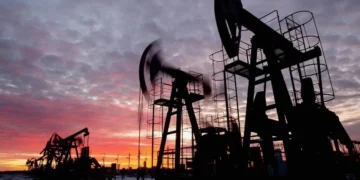

















































































Crude oil benchmarks fluctuated in a tight range today, Monday, 12 January 2026, as investors attempted to reconcile two opposing geopolitical forces: a potential supply collapse in Iran and the imminent return of Venezuelan barrels to global markets.
After a strong rally last week that saw prices climb more than 3%, the market entered a “wait-and-see” mode.2 Brent Crude traded slightly lower at $63.25, while WTI hovered around $59.00, reflecting a cautious pause in the “New Year inventory rush.”
The primary driver of price support remains the escalating civil unrest in Iran. Markets are pricing in a significant “geopolitical premium” due to developments like Iran producing approximately 3.2 million barrels per day (bpd) with analysts warning that at least 1.9 million bpd in exports are currently vulnerable to disruption if oil workers join the nationwide strikes. Human Rights groups report that over 500 people have been killed in the protests. The Iranian government’s declaration of “total control” over the weekend was met with skepticism by traders after reports of a continued nationwide internet blackout.
More so, concerns persist that any escalation could lead to friction in the Strait of Hormuz, a vital chokepoint through which 20% of the world’s oil passes.
Capping the upside for oil prices is the rapid reorganization of the Venezuelan energy sector following the ouster of Nicolás Maduro.
U.S., President Trump recently indicated that the new administration in Caracas is prepared to release up to 50 million barrels of crude previously held under sanction directly to U.S. refiners.
Major oil companies, including Chevron and ConocoPhillips, are reportedly scrambling to secure tankers and revitalize dilapidated port infrastructure to begin shipments as early as next week.
Despite the excitement, ExxonMobil’s CEO cautioned that the country remains “uninvestable” without long-term legal reforms, suggesting that while immediate inventories may hit the market, a sustained production boom is still years away.
While geopolitical headlines are driving daily volatility, institutional banks remain cautious about the long term. Goldman Sachs maintained its “bearish” outlook for the remainder of 2026, citing a projected 2.3 million bpd global surplus this year; sluggish industrial growth in Europe and Asia and U.S. policy focus on keeping domestic energy prices low ahead of the 2026 midterms.
“The market is saying ‘show me the disruption’ before it pushes Brent toward $70. Right now, Venezuela’s potential is acting as a very effective fire extinguisher for the flames in Iran.” – Saul Kavonic, MST Marquee.