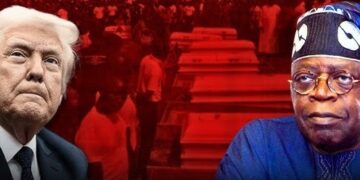





























































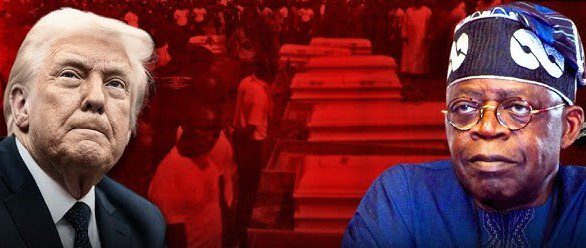
In a notable departure from his previous singular focus on the persecution of Christians, U.S. President Donald Trump acknowledged today, Friday, 9 January 2026, that Muslims are also being killed in Nigeria’s ongoing security crisis.
The statement, made during an interview with The New York Times published on Thursday and widely discussed across Nigerian media today, follows months of “guns-a-blazing” rhetoric from the White House that has strained diplomatic ties between Washington and Abuja.
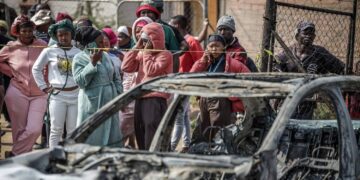
While the President did not abandon his primary narrative, he conceded for the first time that the violence perpetrated by groups like ISIS-West Africa (ISWAP) and the Lakurawa group is not exclusive to one faith.
When asked about reports from his own Africa advisers that more Muslims have historically been killed by these groups, Trump responded: “I think that Muslims are being killed also in Nigeria. But it’s mostly Christians.”
Despite acknowledging the broader toll, Trump reiterated his stance that Christianity faces an “existential threat” in Nigeria, framing his administration’s recent military and visa policies as a moral necessity.
Referring to the Christmas Day 2024 airstrikes in Sokoto, Trump warned: “I’d love to make it a one-time strike… But if they continue to kill Christians, it will be a many-time strike.”
Trump’s acknowledgment comes as international analysts and the Nigerian government continue to push back against a “sectarian framing” of the conflict.
The slight change in rhetoric has not yet translated into a policy shift. The U.S. State Department continues to enforce visa restrictions aimed at Nigerians and their families believed to be involved in religious violence.
As Nigeria remains on the U.S. list for alleged religious freedom violations with aid cuts in billions of USAID funding for humanitarian and health programs in current suspension or under “extreme vetting.”
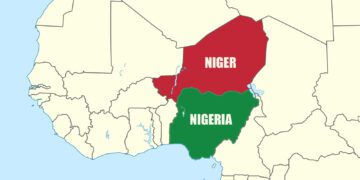
Analysts suggest the “Muslims are being killed also” comment may be an attempt to address criticism from regional allies like Chad and Niger, who have warned that a strictly “Christian protector” narrative could inadvertently fuel radicalization and provide recruitment propaganda for Islamist groups.
“Trump is opening the door slightly to the reality on the ground, but he is keeping his foot firmly on the pedal of ‘Christian protection’ to satisfy his domestic base. It’s a nuanced shift, but it doesn’t end the threat of unilateral U.S. military action.” – International Relations Analyst.