















































































A wave of dollar demand swept through African foreign exchange markets today, Thursday, 8 January 2026, leaving several major regional currencies under significant pressure. As businesses across the continent resume full operations following the festive season, a surge in import-related demand is testing the liquidity buffers of central banks from West to East Africa.
While the U.S. Dollar has shown overall resilience due to high-interest rates and safe-haven appeal following the ouster of Nicolás Maduro in Venezuela, African currencies are feeling the brunt of a ‘New Year inventory rush.’
Traders report that the demand for the greenback is outstripping supply in several key markets.
For instance, the Ghanaian Cedi (GHS) is facing sustained pressure due to a significant pick-up in demand from the energy and services sectors. In response, the Bank of Ghana announced it would inject up to $1 billion into the market this month to limit sharp exchange-rate swings.
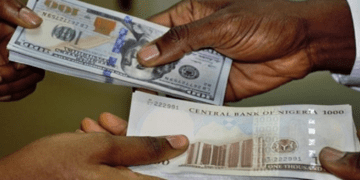
However, the Nigerian Naira (NGN) remained steady but cautious, trading at approximately 1,432/$ in the official window and near 1,490/$ on the parallel market. Analysts are watching for the Central Bank of Nigeria’s (CBN) first-quarter policy direction to see if liquidity interventions will increase.
Ugandan and Zambian Shilling/Kwacha currencies are expected to lose ground in the coming week as local demand for imports intensifies.
While the Kenyan Shilling (KES) is bucking the trend slightly, the Shilling has remained little changed and relatively stable, supported by improved diaspora remittances and agricultural exports.
Currency Performance Snapshot (8 January 2026)
| Currency | Status | Market Sentiment |
| Ghanaian Cedi | Falling | Under pressure from energy/portfolio investor demand. |
| Nigerian Naira | Stable/Cautious | Balanced by recent CBN liquidity injections. |
| Kenyan Shilling | Steady | Resilient despite regional dollar demand. |
| Zambian Kwacha | Falling | Weakening as mining sector demand for USD rises. |
The South African Exception
In a sharp contrast to its peers, the South African Rand (ZAR) kicked off 2026 at a three-year high, reaching R16.40/$.
The Rand is being bolstered by record-high precious metal prices (Gold and Silver) and renewed investor confidence following a late-2025 credit rating upgrade.
Despite its strength, economists at Moneyweb warn that “profit-taking in metals” or a further resurgent dollar could see the Rand retreat toward the R17.00 mark later this quarter.
Notably, the broader strength of the U.S. Dollar in 2026 is being driven by two main factors: the U.S. continues to attract capital as a leader in AI technology and energy exports, keeping domestic interest rates higher than in many rival economies.
More so, new U.S. trade policies (the “Liberation Day” tariffs) are expected to push U.S. inflation up by 1% to 1.5%, forcing the Federal Reserve to keep rates “higher for longer,” which inherently supports a stronger dollar.