


























































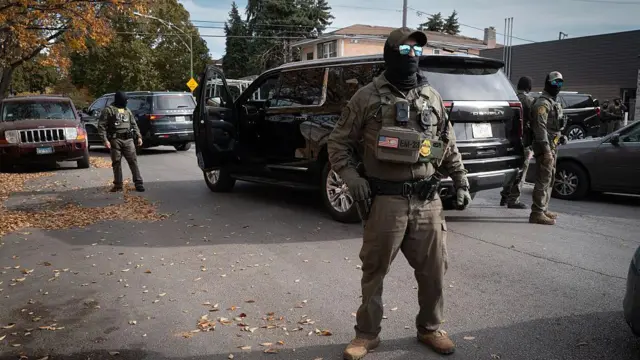
The threatened, highly-publicized immigration enforcement operation against the Somali community in Minnesota has triggered alarm and condemnation from international human rights organizations and governments, who view the move as a dangerous escalation of state-sanctioned profiling and a violation of refugee protection principles.
The latest update confirms that the focus has shifted from internal U.S. politics to the severe humanitarian and legal implications of the crackdown on the global Somali diaspora.
The international community’s concerns centre on the explicit, discriminatory language used by the U.S. administration and the potential for a humanitarian crisis:
While UN agencies typically avoid commenting on the internal immigration enforcement of a member state, a spokesperson for the UN Human Rights Office (OHCHR) in Geneva expressed deep concern over the “explicitly targeted nature” of the operation. The OHCHR warned that the language used by President Trump, calling Somali immigrants “garbage”, could amount to racial incitement and severely jeopardize the rights of U.S. citizens and legal permanent residents who are vulnerable to mistaken detention simply due to their ethnicity.
The Federal Government of Somalia has been forced to respond to the renewed hostility, with the Minister of Foreign Affairs stating that the community in the U.S. is “law-abiding” and contributes significantly to both countries. The government is reportedly preparing a formal diplomatic note to Washington expressing its “profound concern” about the safety of its nationals, citing fears that deportations could violate the Convention Against Torture by sending individuals back to a country still facing high levels of conflict and the Al-Shabaab threat.
International aid groups, including the Norwegian Refugee Council (NRC), condemned the rhetoric, warning that the termination of Temporary Protected Status (TPS) for Somali nationals, even if legally dubious, and the threat of mass deportation create a “climate of fear and legal instability,” contravening the foundational spirit of refugee protection the U.S. historically championed.
Legal scholars and international organizations are focusing on the dangerous precedent the operation sets. Organizations like Amnesty International have highlighted that the operation is being framed around an entire ethnic group rather than individuals convicted of crimes, a practice they deem to be unlawful discrimination under international human rights treaties the U.S. has ratified.
The warning from the Mayor of Minneapolis that “American citizens will be detained” simply for looking Somali is seen globally as an extreme example of the failure of the rule of law to protect fundamental rights within the enforcement context.
Additionally, U.S Treasury Secretary Scott Bessent’s public claims that funds defrauded from Minnesota programs may have been diverted to Al-Shabaab have drawn international attention. Critics point out that this claim, which is yet to be substantiated by federal prosecutors, serves to “securitize and criminalize” an entire diaspora community in the absence of hard evidence.
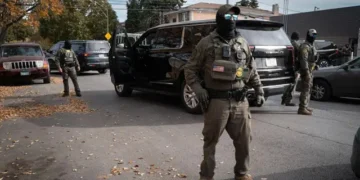
The international community is now waiting to see whether the deployment of federal agents will proceed, an action that will define the US administration’s relationship with its global partners and its commitment to the rights of its immigrant communities.