










































































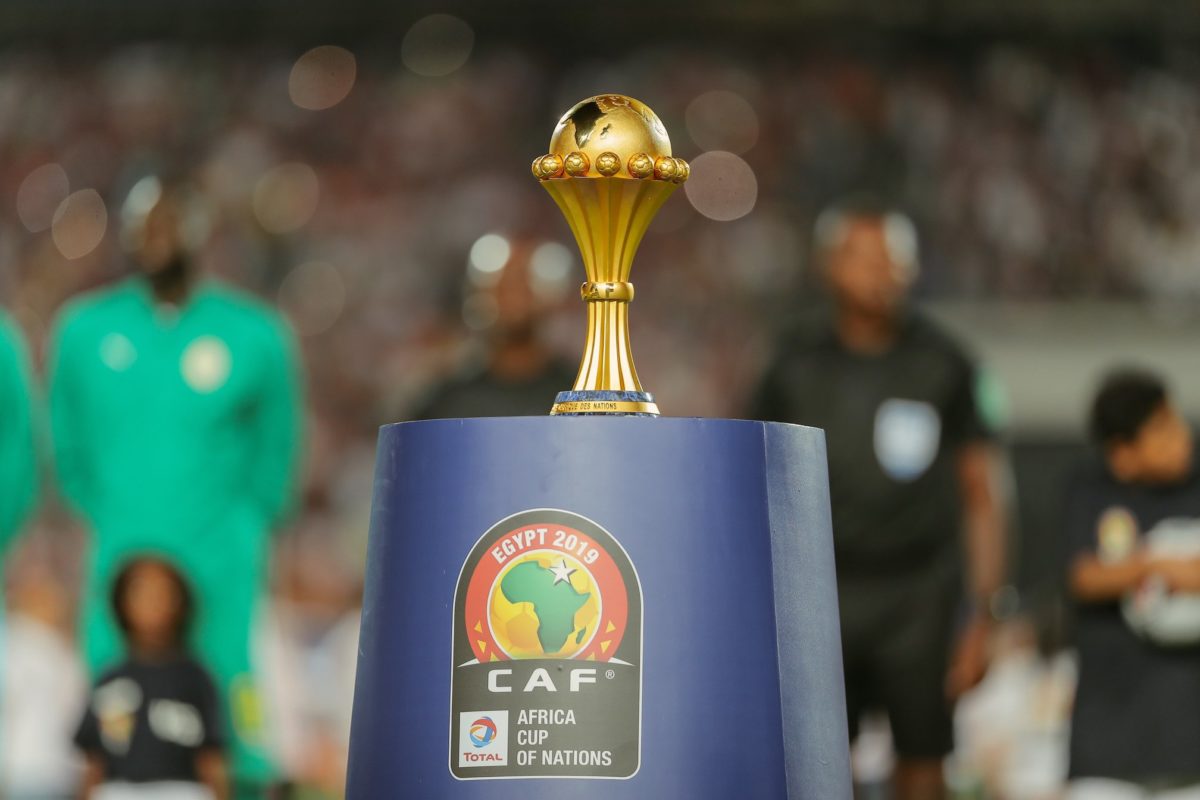
The world football governing body, FIFA, has handed a massive reprieve to European clubs, confirming that players selected for the 2025 Africa Cup of Nations (AFCON) in Morocco will be allowed to remain with their clubs until Monday, 15 December 2025, just one week before the tournament officially kicks off.
This decision, announced late Monday, provides a critical extension beyond the usual 14-day mandatory release period, allowing clubs to retain their key African international stars for one more crucial week during the highly congested domestic fixture list.
The 35th edition of Africa’s premier football competition is scheduled to run from December 21, 2025, to January 18, 2026, in Morocco.
For Premier League sides, the extension means players like Mohamed Salah (Egypt), Victor Osimhen (Nigeria), and Achraf Hakimi (Morocco) will be available for matches scheduled for the weekend of December 13–14. This is a massive win for clubs facing a packed festive calendar, particularly after the recent fixture congestion controversy.
While the extension is a relief for clubs, it compresses the preparation window for African national teams, including the Super Eagles of Nigeria.
The Nigerian technical crew will now have just seven days to assemble its full squad and finalize its tactics before the tournament begins.
This short window puts immense pressure on the Nigeria Football Federation (NFF) to handle logistics, training camps, and final team bonding exercises efficiently.
Players arriving on December 15, especially those involved in high-intensity club matches just days before, may arrive tired, raising concerns about their immediate fitness and readiness for the high-octane pace of the AFCON group stages.
FIFA’s decision is a calculated compromise aimed at easing the tension between the powerful European clubs (who provide the majority of AFCON’s stars) and the African Confederations (CAF).
The move acknowledges the commercial and sporting damage caused to European leagues when the AFCON tournament pulls away star players during their most important month. However, it equally challenges the African national teams, forcing them to conduct highly intensive, short-burst training camps.
This new precedent means the success of African nations in Morocco will largely depend not just on the quality of their players, but on the efficiency of their pre-tournament logistics and the ability of their coaching staff to quickly integrate players arriving straight from competitive club action. The preparation window has become a tight race against the clock.