












































































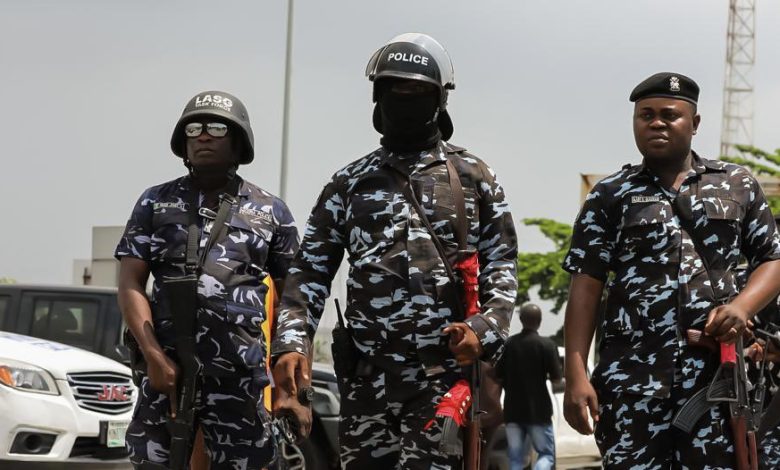
Pressure on the Federal Government to overhaul Nigeria’s security architecture has reached a fever pitch, driven by state governors and traditional rulers who are demanding immediate, decisive action to protect vulnerable communities. The push follows a devastating wave of mass abductions and armed attacks across the country, particularly in the North.
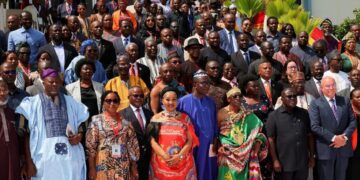
The most forceful demands came from the Northern States Governors’ Forum (NSGF), which, following a crucial two-day joint summit with the Northern Traditional Rulers’ Council in Kaduna, issued a series of resolutions aimed at driving structural changes in the nation’s security strategy.
The NSGF unequivocally renewed its call for the swift implementation of State Police, describing the decentralized security mechanism as a “critical and effective mechanism” to tackle the current security challenges.
Governor Uba Sani of Kaduna State, hosting the summit, stressed that Nigeria’s centralized police system “can no longer meet the demands” of a country with over 230 million people, vast ungoverned spaces, and fewer than 400,000 police personnel nationwide.
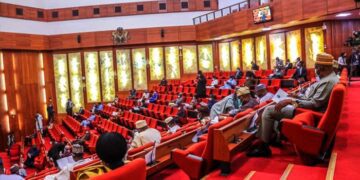
The governors urged the President and the National Assembly to fast-track the constitutional amendments required to make State Police a reality, arguing that the security challenge has become an “existential threat” to the region.
In a significant move to cut off the funding for criminal enterprises, the Northern Governors called for a six-month suspension on all mining activities across the region.
The leaders cited illegal mining as a major catalyst for banditry and the acquisition of sophisticated arms, which are used to monitor and attack communities (including the use of drones reported this past weekend). They proposed using the suspension period to conduct a comprehensive audit, revalidate licenses, and dismantle the networks that provide financial sustenance to terror groups.
The mounting pressure was underscored by the resignation of the Minister of Defence, Alhaji Mohammed Badaru Abubakar, citing health grounds, immediately after President Tinubu declared a nationwide security emergency. While the resignation was attributed to health issues, it follows intense public scrutiny over the government’s response to mass kidnappings and rising violence.
Speaking for the traditional rulers, the Sultan of Sokoto, Alhaji Sa’ad Abubakar III, strongly backed the governors’ call for action. He urged political leaders to “tell ourselves the truth” about the severity of the crisis and called for genuine, frequent collaboration between the traditional institutions and the state governments to foster social harmony and conflict resolution at the grassroots level.
The overwhelming consensus from regional leaders is that while the Federal Government’s kinetic operations are necessary, they are not sufficient. Only a decentralized, well-funded, and regionally coordinated security architecture can secure vulnerable communities.