









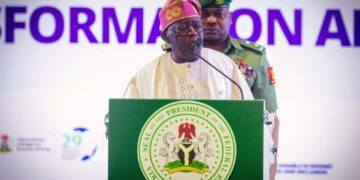














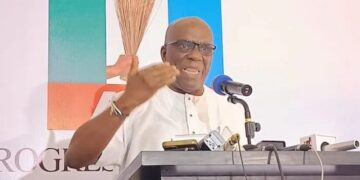
















































Babatunde Ogala, former National Legal Adviser of the All Progressives Congress (APC), has dismissed claims that President Bola Ahmed Tinubu’s administration is “weaponizing poverty,” calling such allegations “unfounded, politically charged, and disconnected from the realities of governance.”
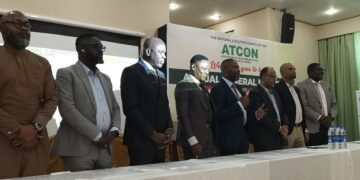
Ogala made the remarks during a media interview on Sunday, pushing back against critics, many from the opposition and civil society, who have accused the Tinubu administration of deepening economic inequality and social hardship through its policies.
“Difficult Choices, Not Malice”
According to Ogala, Tinubu inherited a deeply flawed economic system and has made necessary but painful reforms aimed at long-term stability. He cited the removal of the petrol subsidy, efforts to unify the foreign exchange market, and attempts to broaden the tax base as evidence of a government trying to correct systemic imbalances.
“It’s easy to throw around slogans like ‘weaponizing poverty,’ but governance requires difficult choices,” Ogala said. “The President is not indifferent to the suffering of Nigerians. The hardship is real, but so is the intention to fix what’s broken.”
Mounting Public Pressure
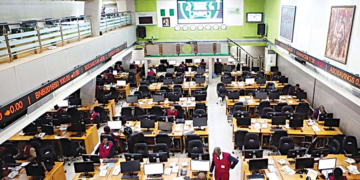
Ogala’s comments come as frustration with the administration’s handling of the economy grows. Inflation remains high, unemployment persists, and the naira continues to struggle against the dollar. The rising cost of living has sparked protests, social media backlash, and scathing critiques from labour unions and public intellectuals.
Earlier this year, a coalition of activists accused the federal government of deliberately suppressing the poor through regressive economic policies, using the phrase “weaponizing poverty” to describe what they saw as state-led neglect of vulnerable populations.
The Politics of Perception
Analysts note that Ogala’s defense is part of a broader attempt by APC figures to control the political narrative around Tinubu’s reform agenda. With midterm evaluations intensifying and the 2027 election cycle beginning to take shape, such statements are seen as efforts to counter a rising tide of public disillusionment.
“There’s clearly a perception gap between government policy and public experience,” said political analyst Toyin Ayinde. “Even if the policies are economically sound, the optics, and the human cost are creating space for populist criticism.”
Labour, Opposition Unmoved
Leaders of the Nigeria Labour Congress (NLC) and opposition parties were quick to reject Ogala’s remarks, insisting that the government has failed to implement meaningful social safety nets to cushion the impact of its reforms.
“They speak about long-term benefits while people are starving today,” said an NLC official who spoke anonymously. “That’s not reform, it’s abandonment.”
The Crux
Ogala’s rebuttal reflects growing unease within the ruling APC about the widening disconnect between Tinubu’s policy vision and the lived experiences of everyday Nigerians. While officials argue that the current hardship is a necessary phase in Nigeria’s economic recovery, public patience appears to be wearing thin.