










































































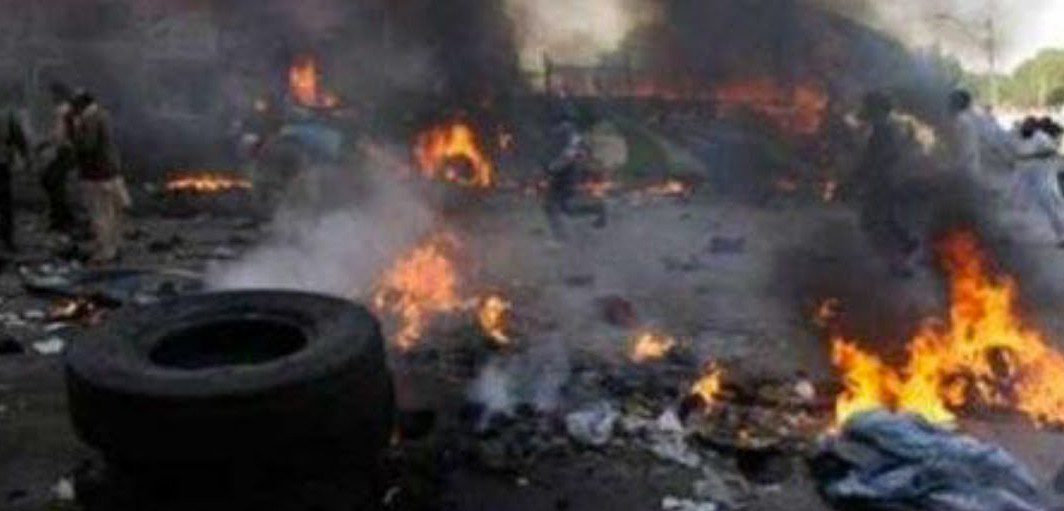
At least nine people have been confirmed dead following a bomb explosion at a bus park in Mairari village, Guzamala Local Government Area of Borno State. The attack, which occurred on Sunday afternoon, is being attributed to suspected militant elements active in Nigeria’s conflict-prone northeast.
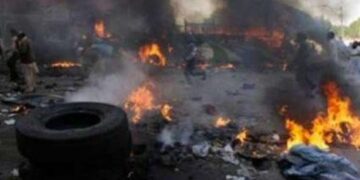
Local sources say the explosive device was planted at a crowded transit point where civilians were boarding vehicles to nearby towns. Witnesses described scenes of chaos and destruction, with charred vehicles, injured civilians, and residents scrambling for safety.
“It Was Sudden and Loud”
“We heard a loud bang and then people were screaming everywhere,” said Musa Ibrahim, a local mechanic who was working nearby. “Some died on the spot. Others were badly injured.”
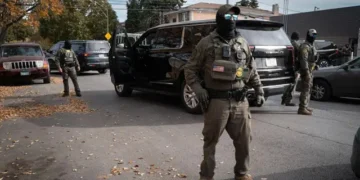
Security officials have cordoned off the area and initiated a preliminary investigation, though no group has claimed responsibility at the time of filing this report. The region, however, has long been plagued by attacks linked to Boko Haram and Islamic State West Africa Province (ISWAP), both of which have carried out similar assaults in the past.
A Familiar Tragedy
This latest bombing underscores the persistent insecurity in northeastern Nigeria, despite repeated claims by the federal government that insurgency has been largely “technically defeated.” Guzamala LGA, located near the Lake Chad basin, is one of several territories where government control remains limited and sporadic.
The attack comes at a time when many communities have only just begun to rebuild from previous displacement. “People returned to Mairari hoping it was safe,” said a local government official who spoke on condition of anonymity. “Now they are terrified again.”
Security Response and Silence from Authorities
As of Monday morning, there had been no official press briefing from the military or the Borno State government. Security forces are reportedly combing the area for suspects, while emergency personnel work to assist survivors and transport the wounded to nearby clinics.
Human rights advocates have criticized the ongoing lack of proactive intelligence in high-risk areas. “This isn’t just a security failure—it’s a humanitarian crisis playing out over and over,” said Hauwa Liman, a conflict researcher based in Maiduguri. “Villages like Mairari deserve better protection, not just cleanup after the fact.”
Recurring Pattern, Unanswered Questions
Despite significant military deployments and donor-funded counterterrorism programs, attacks on soft civilian targets continue to occur with devastating frequency. Many rural communities operate with minimal security presence, and emergency response systems are often ill-equipped to handle mass-casualty events.
Observers say that while the military has made gains in large-scale offensives, asymmetric attacks like this one show that militants remain agile and capable of inflicting harm, particularly in underserved, remote areas.
Bottom Line
The Mairari bus park bombing is another grim chapter in Nigeria’s ongoing struggle against violent extremism. It raises critical questions about the sustainability of current counter-insurgency strategies and the urgency of rebuilding trust between local communities and state institutions.
Unless addressed with renewed focus and local engagement, such tragedies risk becoming routine headlines—while the human cost continues to mount.