

































































US President Donald Trump has warned Iran that it has just 48 hours left to strike a deal or face intensified military action, as the ongoing conflict in the Middle East deepens with rising global implications.
The warning comes as US and Iranian forces search for a missing American pilot after two US warplanes were downed over Iran and the Gulf, significantly raising the stakes in a war that has now entered its sixth week.
In a post on Truth Social, Trump issued a stark ultimatum to Tehran, saying time was running out for an agreement to end hostilities or reopen key global energy routes.
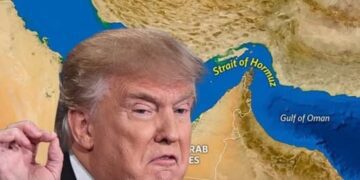
“Remember when I gave Iran ten days to MAKE A DEAL or OPEN UP THE HORMUZ STRAIT. Time is running out, 48 hours before all hell will rain down on them,” he said.
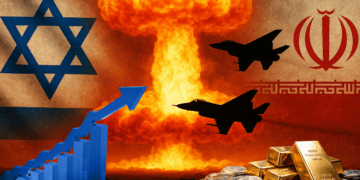
The conflict, which began following US-Israeli strikes on Iran in late February, has already killed thousands, disrupted global energy supply, and heightened fears of a broader regional war.
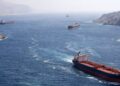
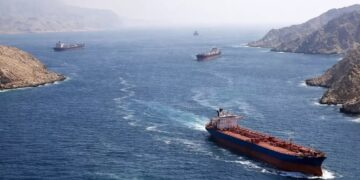
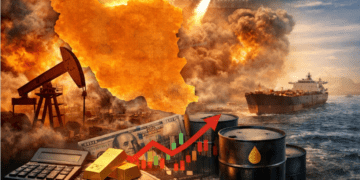
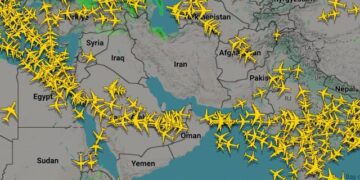
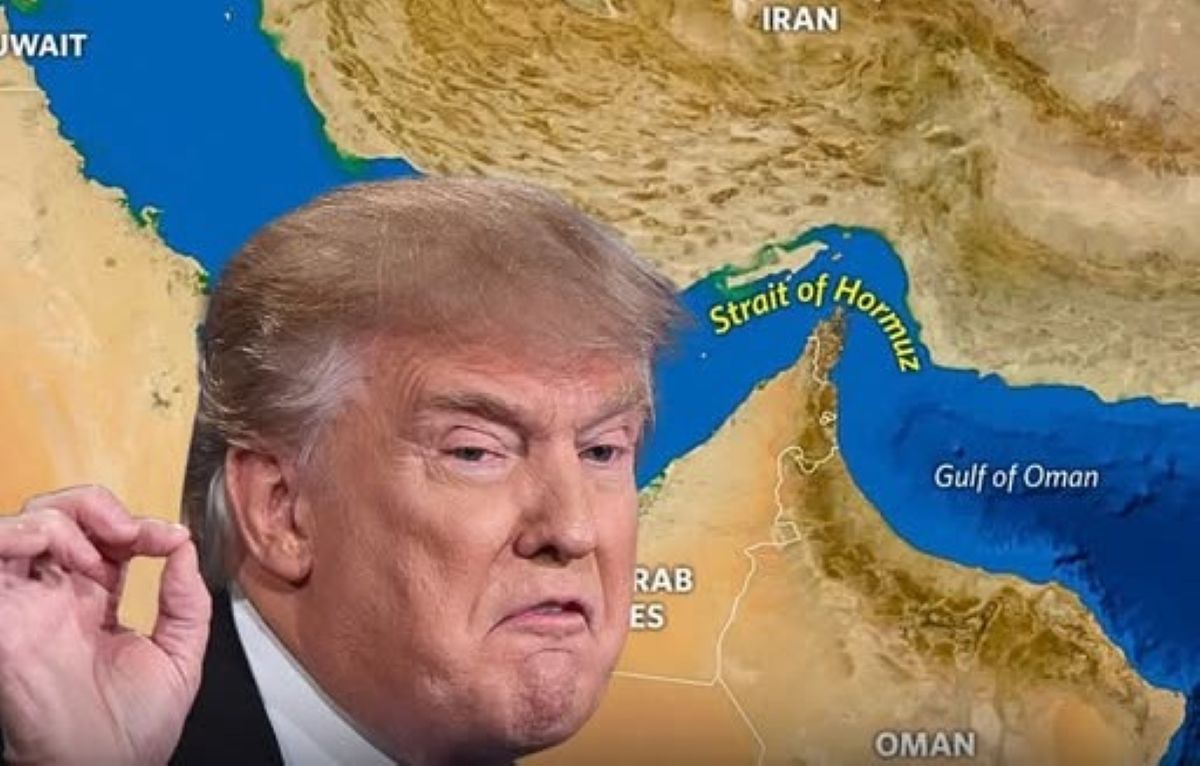
At the centre of the crisis is the Strait of Hormuz, a vital shipping route that typically carries about one-fifth of the world’s oil and liquefied natural gas. Iran has effectively shut the strait, intensifying global energy concerns and driving up oil prices.
Iran has shown little sign of backing down. While its Foreign Minister, Abbas Araqchi, indicated openness in principle to talks, potentially mediated by Pakistan, he stressed that any agreement must lead to a “conclusive and lasting end” to what Iran describes as an “illegal war.”
“We are deeply grateful to Pakistan for its efforts and have never refused to go to Islamabad. What we care about are the terms of a conclusive and lasting end to the war imposed on us,” Araqchi said.
Despite this, there is no clear indication that Tehran is willing to accept Washington’s terms, leaving prospects for diplomacy uncertain.
On the battlefield, the situation remains volatile. Iranian forces reportedly shot down a US F-15E fighter jet, while another aircraft, an A-10 Warthog, crashed in a separate incident. One crew member has been rescued, but search-and-rescue operations are ongoing for a missing pilot believed to be on the ground in Iran.
The search has proven dangerous, with US rescue helicopters reportedly coming under fire during the operation.
Iran has also claimed new military successes, including the use of upgraded air defence systems and a drone strike on a vessel linked to Israel in the Strait of Hormuz, further escalating tensions in the already volatile region.
The crisis is also having far-reaching global consequences. The disruption of energy supplies has triggered rising oil prices, market instability and renewed inflation concerns in economies around the world.
Public sentiment in the United States appears cautious, with polls indicating low support for a prolonged conflict, even as military operations intensify.
As the 48-hour deadline approaches, the world is watching closely. Whether it leads to last-minute diplomacy or a further escalation in military action could determine not just the outcome of the conflict, but the stability of global energy markets and the broader international order.