















































































At least 25 people were killed over the weekend in two separate attacks by unidentified gunmen in Benue State, further exposing the fragile security situation in Nigeria’s Middle Belt and renewing calls for urgent government intervention.
Local authorities confirmed that the attacks took place in villages in Gwer West and Apa Local Government Areas (LGAs), where heavily armed assailants stormed rural communities, shooting indiscriminately and torching homes.
“The attackers came at night. People were sleeping. By morning, bodies were everywhere,” said a local youth leader in Apa, who requested anonymity for fear of reprisal. “We’ve buried mothers, children, elders. It’s a massacre.”
Benue State, long a hotspot for clashes between farming communities and armed groups often referred to as “bandits” or “herdsmen militias” has experienced a resurgence of violence in recent months. The motives behind these latest attacks remain unclear, but residents say they bear the hallmarks of previous coordinated raids linked to land disputes, ethnic tensions, and criminal opportunism.
This weekend’s violence follows a similar attack in April that killed 17 people in the same region.
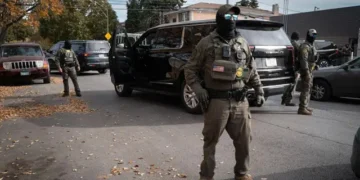
The Benue State Government condemned the killings and described the attacks as “a clear affront to law and order.” Governor Hyacinth Alia called for increased deployment of federal security forces, lamenting that local capacity is overstretched and under-resourced.
“We cannot continue to bury our citizens every weekend,” the governor’s spokesperson said. “These communities need protection, not condolences.”
As of Monday afternoon, there had been no official response from the Federal Government. This silence has sparked outrage among community leaders and civil society groups, who accuse authorities of indifference and selective urgency when it comes to rural security in the Middle Belt.
“The absence of consistent federal response emboldens attackers,” said Esther Udo, a human rights advocate based in Makurdi. “When the government fails to act decisively, rural communities are left to defend themselves, or die.”
Beyond the death toll, dozens of families have now fled their homes, joining the ranks of internally displaced persons (IDPs) in Benue, which already hosts one of the largest IDP populations in the country due to years of conflict.
Health workers at nearby clinics say they are treating survivors for gunshot wounds, burns, and trauma. “Children are waking up screaming in the night,” one nurse told TheLink News. “It’s psychological war.”
Analysts warn that unless meaningful security reforms are implemented, Nigeria risks a widening rural insurgency. The convergence of ethnic tension, land competition, arms proliferation, and weak state presence has created fertile ground for recurring violence.
“Benue is a bellwether,” said Dr. Hassan Wase, a conflict researcher. “If we can’t stabilize these areas, the ripple effects will reach far beyond.”
The killing of 25 people in one weekend is not just a local tragedy, it is a national security failure. As armed groups continue to exploit the vacuum in rural governance, the cost in human lives is mounting. Without urgent, sustained, and coordinated action, such massacres may soon cease to shock, and that would be the greater tragedy.