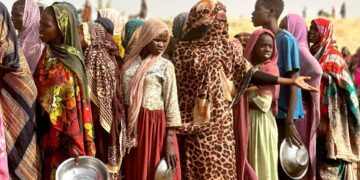






































































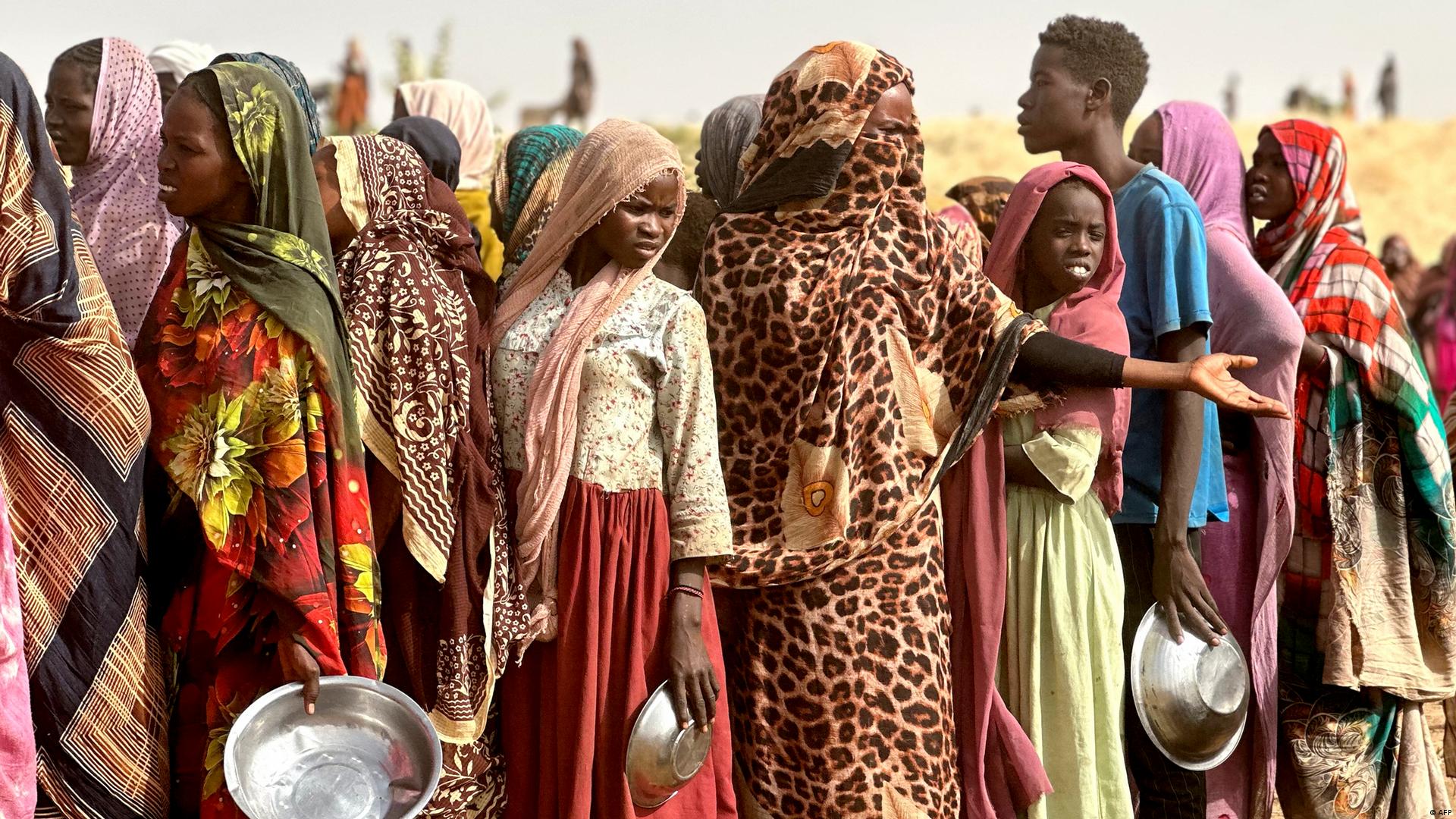
As Sudan marks a grim milestone of 1,000 days of conflict today, Friday, 9 January 2026, the United Nations has issued a harrowing warning: women and girls are bearing the “sharpest edge” of the world’s largest hunger and displacement crisis.
New data released by UN Women and OCHA reveal that gender has become one of the strongest predictors of survival in Sudan, with female-headed households now three times more likely to face acute food insecurity than those led by men.
The humanitarian landscape has deteriorated into what UN officials are calling a “war on women and girls.”
Nearly 11 million women and girls are now acutely food insecure. In female-headed households, many formed after the death or disappearance of male relatives, 75% report not having enough to eat.
Approximately 74% of women do not meet the minimum dietary diversity, leading to a spike in maternal malnutrition and miscarriages.
Of the 13.6 million people uprooted (9.3 million internally and 4.3 million across borders), the vast majority are women and children.
Since the conflict began in April 2023, an average of 5,000 children have been displaced every single day.
UN aid agencies highlighted a disturbing trend where starvation and sexual violence are being used systematically as tactics of war.
In many besieged areas, women are skipping meals entirely so their children can eat. Adolescent girls are frequently given the smallest portions, undermining their long-term health.
With markets destroyed, women are forced to scavenge for wild leaves and berries. While doing so, they face extreme risks of abduction and conflict-related sexual violence.
In North Darfur, the price of basic necessities has soared; a single packet of sanitary pads now costs roughly $27 USD, nearly a quarter of a family’s entire monthly aid allowance.
The health crisis has reached a breaking point, particularly in the Darfur and Kordofan regions. Over 80% of medical facilities have shut down while, clinics still operating in Darfur report that 28% of pregnancies are now classified as high-risk, with 45% of women in some areas reporting a history of miscarriage due to stress and starvation.
IPC Phase 5 (Famine) conditions are ongoing in El Fasher and Kadugli and are expected to persist through at least May 2026.
Despite being on the front lines, women-led organizations (WLOs) are being starved of resources as initiatives received less than 2% of the Sudan Humanitarian Fund in 2025.
The UN requested $4.2 billion for the 2025 response but received only 36%. For 2026, the plan has been scaled back to $2.9 billion to assist 20 million of the 34 million people in need.
“This is not just a food crisis; it is a gender emergency caused by a failure of gender-responsive action. Women’s bodies have become crime scenes, and their hunger is a silent scream the world is failing to hear.” – UN Women Briefing.